Sultanahmet is compact enough to explore on foot, but time disappears in queues, security checks and prayer-time closures. Begin early, keep lunch simple, and avoid promising yourself every museum in the district. The Historic Areas of Istanbul form a UNESCO World Heritage property, and the centre is best approached as a layered neighbourhood rather than a checklist.
A walking plan that fits the day
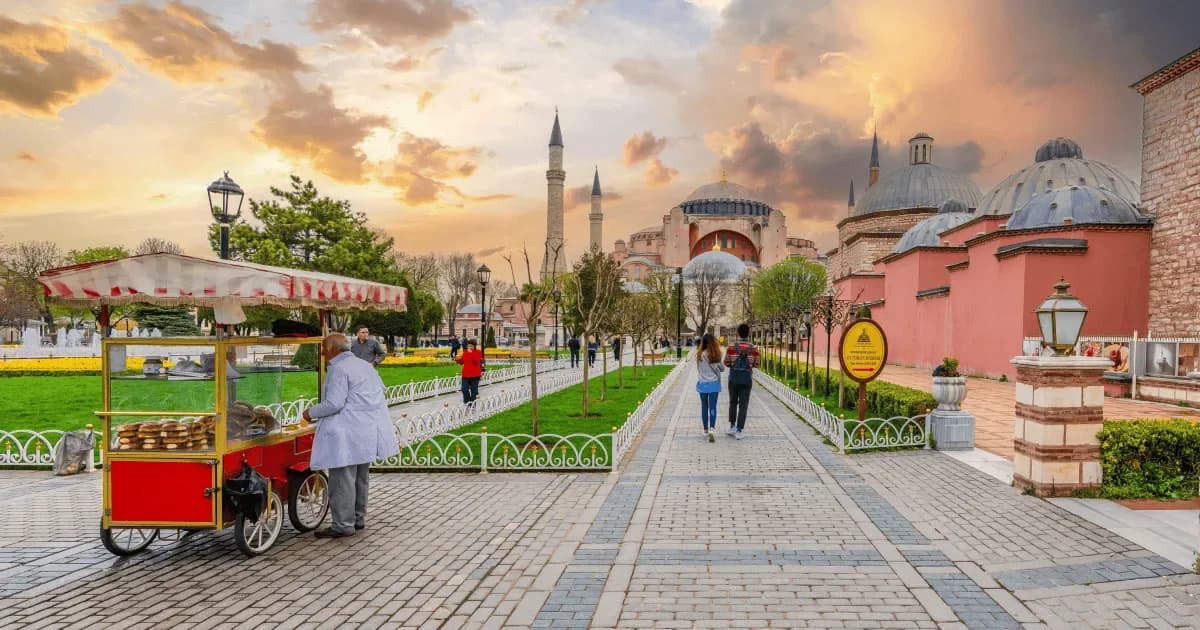
Start at the Hippodrome, the open historic square between the Blue Mosque and Hagia Sophia. Allow 30–45 minutes to see its monuments and get oriented. You are outdoors, so this is a good first stop while you decide which entrance or visitor queue is moving.
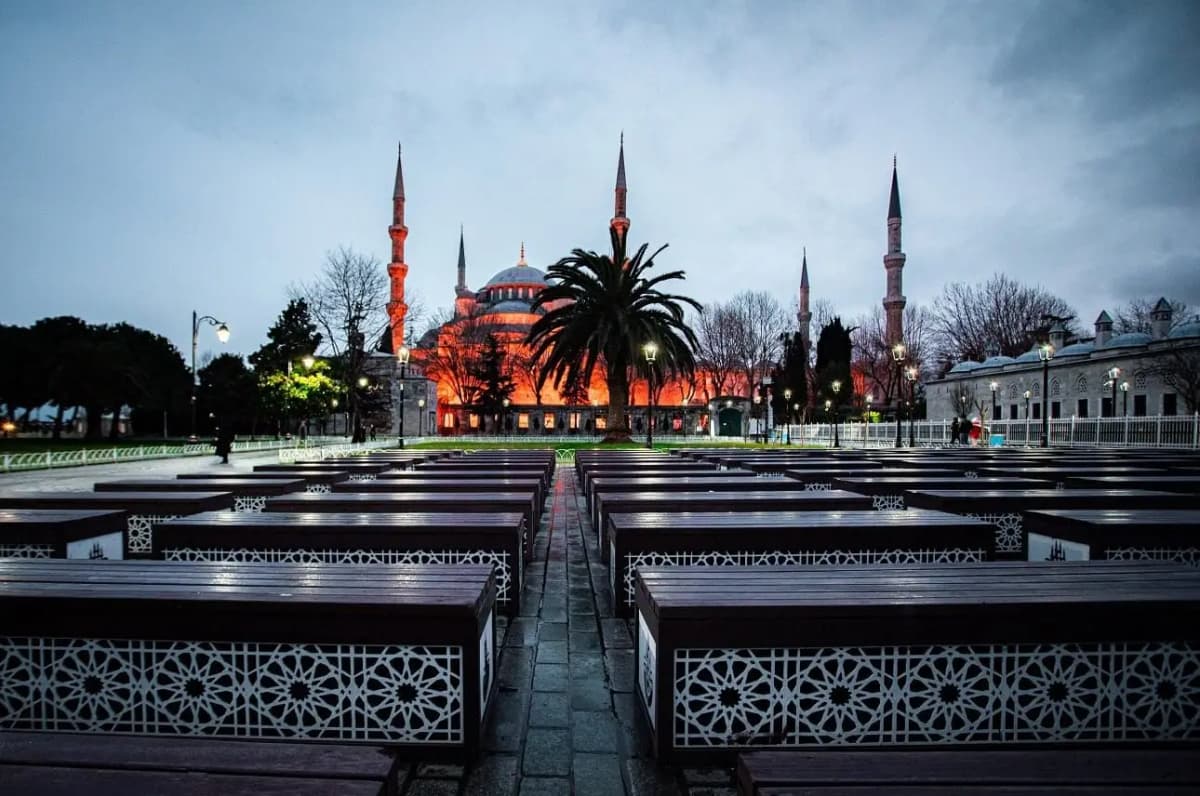
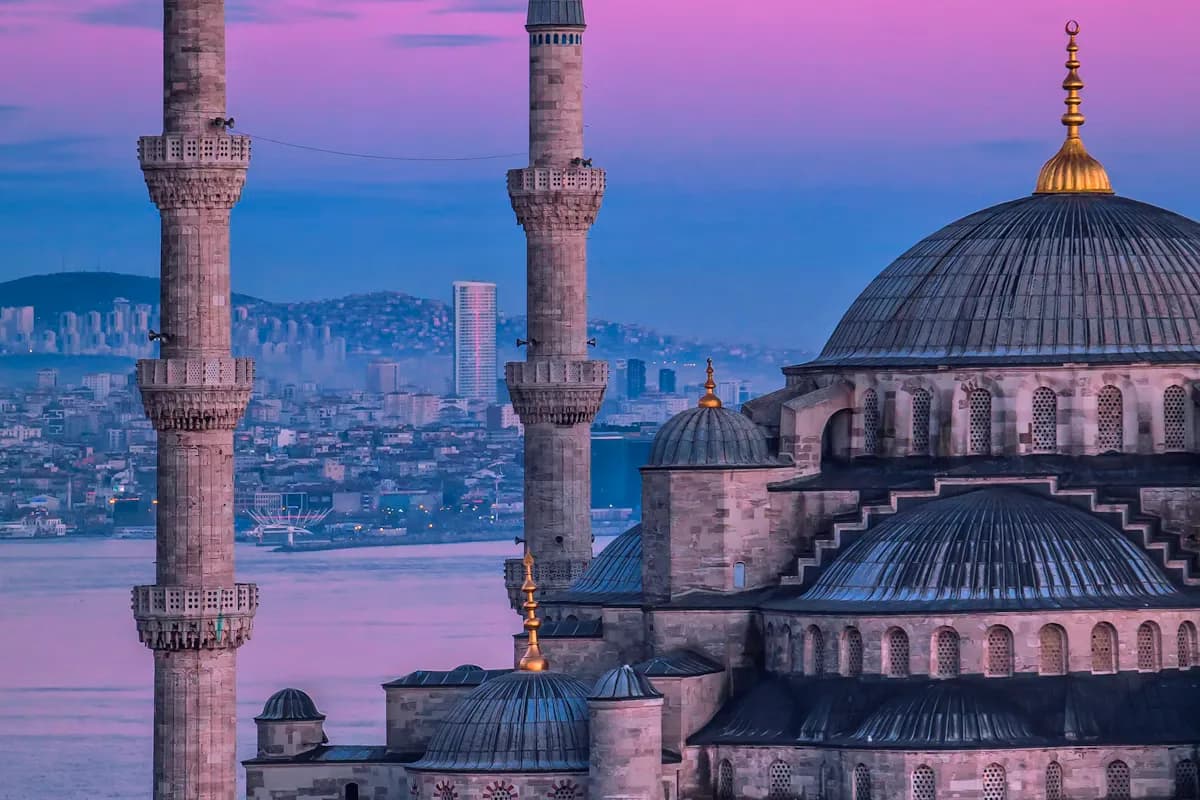
Continue to the Blue Mosque, subject to prayer-time closures. Set aside about 30–45 minutes including security, shoe storage and the visit. Then walk a few minutes to Hagia Sophia and use the entrance for foreign visitors to the upper gallery. Allow around an hour for the visit and access checks.
After lunch, choose the Basilica Cistern for a contained visit of roughly 45 minutes, or Topkapı Palace for two or more hours. The palace’s grounds and collections deserve more time than a quick look. If it is Tuesday, the palace is closed according to the Ministry visitor leaflet, so the Cistern is the straightforward substitute.
Finish with the Grand Bazaar only if it is open and you still have energy. Published visitor information lists the bazaar as closed Sundays and bank holidays. From Sultanahmet, walk north toward Beyazıt or ride T1 to Beyazıt-Kapalıçarşı; don’t assume it is open just because the surrounding streets are busy.
Full route, pickup details and what is included: 4-Day Istanbul Group Tour — Old City, Grand Bazaar & Bosphorus.
Hippodrome and Blue Mosque
The Hippodrome is the easiest place to begin because it is an outdoor public square and gives context to the surrounding monuments. Walk its length slowly, look at the surviving columns and obelisk, and note how close the mosque and Hagia Sophia sit on opposite sides. You do not need a guide to appreciate the layout, although a short explanation helps connect the visible remains to the old city.
The Blue Mosque is an active place of worship, so the visiting pattern follows prayer and religious use. Visitors may be asked to wait or return later during prayer times, and Friday midday is especially likely to affect sightseeing. Keep your visit flexible and avoid scheduling a timed ticket immediately after it.
Wear modest clothing that covers shoulders and knees. Women should bring a head covering; everyone removes shoes before entering the prayer area. There may be coverings available, but your own light scarf is convenient. A bag for shoes can save fumbling if you are carrying other items.
If the mosque is closed to visitors when you arrive, switch the order and visit Hagia Sophia or the Cistern first. Prayer times change through the year. The useful strategy is to treat the Blue Mosque as a movable stop, not to rely on one exact window copied from an old itinerary.
Hagia Sophia and the visitor gallery
Foreign visitors enter the upper gallery rather than the ground-floor prayer area used for worship. The upper level is where visitors can view the historic interior and mosaics from the designated route. Follow current instructions from the mosque’s official visitor information, as access arrangements can be adjusted.
Expect security checks and a short walk from the entrance. The building remains a place of worship, so dress modestly and speak quietly. Avoid planning a rushed ten-minute stop: even when the visit itself is compact, queues and access checks can take longer than expected.
We are not listing an admission price here. The official Hagia Sophia information did not return a usable current fee page during our check, and reported prices can change. Confirm the current visitor arrangement with the official mosque source before travelling.
If time is short, do not add both the palace and multiple smaller museums after Hagia Sophia. Decide whether you are most interested in the building’s architecture, the cistern’s underground atmosphere or Topkapı’s imperial collections. That choice protects time for an unrushed meal and the walk back through the neighbourhood.
Basilica Cistern or Topkapı Palace
The Basilica Cistern is close to Hagia Sophia and offers a shorter, contained visit. Allow around 30–45 minutes inside, plus any queue. It is a good option for travellers who want one more major site without committing to a palace-scale visit or walking across a large complex.
Topkapı Palace requires more time and has a broad sequence of courtyards, buildings and collections. The Ministry visitor leaflet lists Tuesday as a weekly closure day; check the live official page for current hours and notices. If the palace is a priority, plan it as the afternoon anchor and reduce the number of other paid interiors.
You can technically squeeze both the palace and cistern into one day, but it tends to become a queue-and-clock exercise. A better plan is palace plus a shorter Blue Mosque visit, or Cistern plus Grand Bazaar. If you have two days, reserve the palace for its own half day and explore the bazaar or waterfront separately.
The T1 tram serves the wider historic centre and is helpful when your accommodation is outside walking distance. Sultanahmet stop places you by the square; Beyazıt-Kapalıçarşı is convenient for the Grand Bazaar. Check the direction and stop name on the platform, and allow time to cross busy roads or walk from the stop to a gate.
Grand Bazaar and the Sunday problem
The Grand Bazaar is a working covered market, not a museum. You can wander without buying anything, but it is more enjoyable if you choose a few lanes or crafts rather than trying to map every passage. If you do want to shop, decide what you are looking for before entering and take a photo of the gate or street name where you came in.
Published visitor information gives Monday through Saturday as opening days and Sunday as a closure day, with bank holidays also affecting access. Confirm current dates on the bazaar’s own linked visitor information or official site. On Sunday, keep your Old City day around the monuments and use the extra time for a longer lunch or a walk toward the Spice Bazaar area if it suits your interests.
The bazaar is a place where prices and quality vary by seller. Do not feel you need to buy something because you accepted tea or looked at an item. If you are not shopping, a short orientation walk is enough; there is no need to spend half your day under the covered lanes.
What to skip and what to carry
If you have only six or seven usable hours, skip the Grand Bazaar or Topkapı rather than cutting every visit down to a sprint. If your priority is history and collections, skip the Cistern. If you are mainly interested in architecture and city atmosphere, take the Cistern and allow extra time to sit in the square.
Carry water, sun protection in warm months, a light scarf for mosque visits and shoes that can manage stone paving. Keep a small bag for footwear at the mosque and keep valuables secure in busy areas. Sultanahmet has cafés and public amenities, but queues can make breaks longer than planned.
The T1 is useful for arriving or leaving, but once you are in the core square, walking is often simpler than boarding for one stop. In the evening, use the tram if your lodging is farther away or you are tired. Street traffic and crowds can make a short map distance feel slower than expected.