Private tour
Seven Churches · St. Paul · Pilgrimage
Biblical Tours in Turkey
Read Acts and Revelation in the landscapes of western Turkey. Trace Paul’s journeys through Anatolia and visit the cities named in the letters to the Seven Churches. Each journey is tailor-made for your dates, interests and group; request a quote for a considered itinerary.
Seven Churches
Seven named assemblies in Revelation
Revelation 1:11
“Send it to the seven assemblies: to Ephesus, Smyrna, Pergamum, Thyatira, Sardis, Philadelphia, and to Laodicea.”
St. Paul
Journeys through cities of ancient Anatolia
Acts 16:6
“When they had gone through the region of Phrygia and Galatia, they were forbidden by the Holy Spirit to speak the word in Asia.”
House of the Virgin Mary
A pilgrimage site linked with Mary by tradition
John 19:27
“Then he said to the disciple, “Behold, your mother!” From that hour, the disciple took her to his own home.”
Church groups
A route planned around your group’s pace
Psalm 133:1
“Behold, how good and how pleasant it is for brothers to dwell together in unity!”
Revelation 2–3
Seven Churches route
“Write to the angel of the church in…” — Rev 2:1
Book online or request a custom plan
Our Biblical Itineraries
8 toursBiblical journeys are tailor-made and available by request for a quote. Share your dates, group size, rooming plan and study interests; we will prepare an itinerary for your leaders to review.
Acts 19:1
“While Apollos was at Corinth, Paul, having passed through the upper country, came to Ephesus and found certain disciples.”
Private tour
Group tour
Group tour
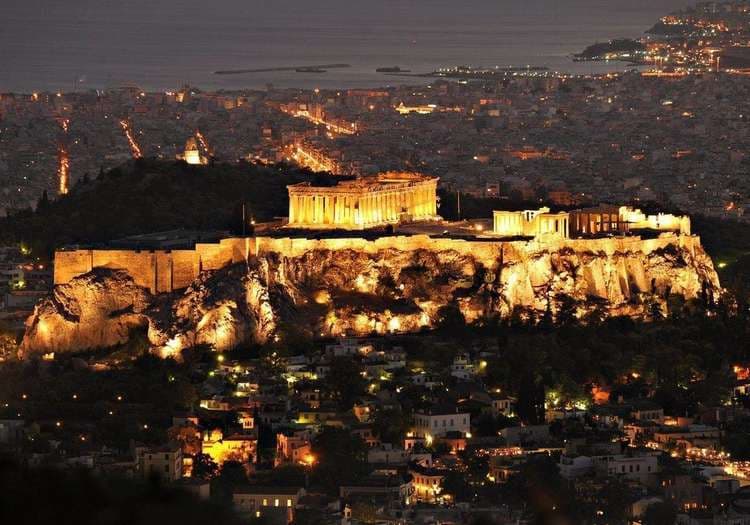
Footsteps of St Paul — Greece Biblical Journey (7 Days)
Tailor-made · Request a quote
Group tour
Group tour
Group tour
Group tour
Church & Bible groups
Plan your group itinerary on WhatsApp or email
Most church groups contact us first to tailor dates, pacing, prayer stops, and hotel standards. We reply with a sample day-by-day plan — usually within a few hours.
Private departures
Your group size & pace
Custom dates
4 to 14+ day routes
Human planning
No automated quotes
Scripture & sites
Faith facts in Turkey
“This Paul has persuaded and turned away many people, saying that they are no gods that are made with hands.” — Acts 19:26
Romans 10:17
“So faith comes by hearing, and hearing by the word of God.”
Scripture in its setting
Follow the places named in Acts and Revelation, with time to read the passages alongside the ancient streets, theatres and remains.
Acts 19:26
“This Paul has persuaded and turned away many people, saying that they are no gods that are made with hands.”
Planned for your group
Shape the route, study stops and daily pace around your church or Bible-study group, then review a tailor-made proposal before you decide.
Hebrews 10:25
“not forsaking our own assembling together, as the custom of some is, but exhorting one another.”
Clear day-by-day planning
Know which cities and sites are planned each day, where the longer drives fall, and which arrangements are included in your selected itinerary.
3 John 1:2
“Beloved, I pray that you may prosper in all things and be healthy, even as your soul prospers.”
Sample itinerary
What a Biblical tour can include
Every church group receives a tailored plan. These blocks show typical stops — your WhatsApp quote will match your dates and group size.
Day 1
Ephesus & nearby pilgrimage traditions
Acts 19:1 · John 19:27
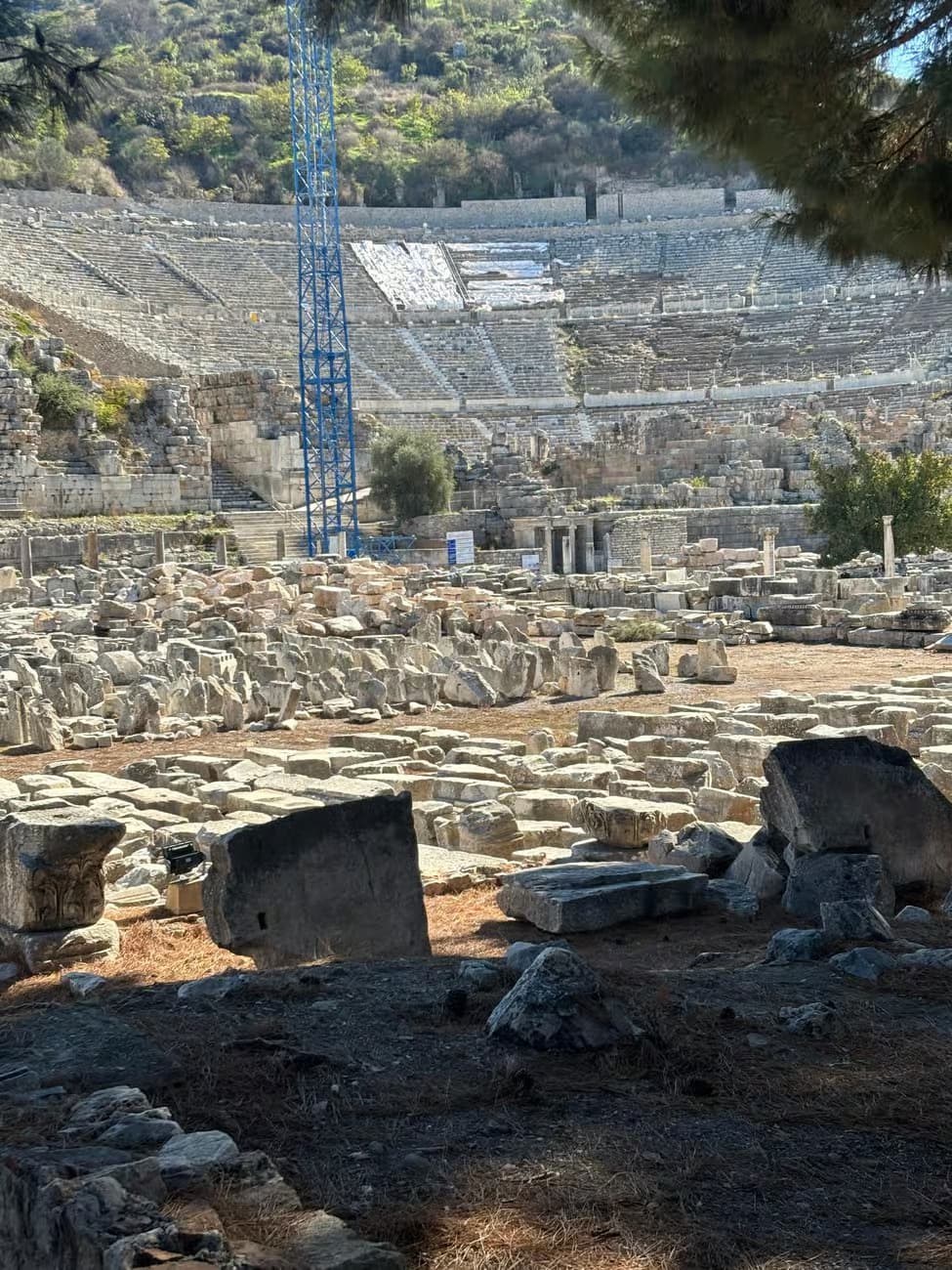
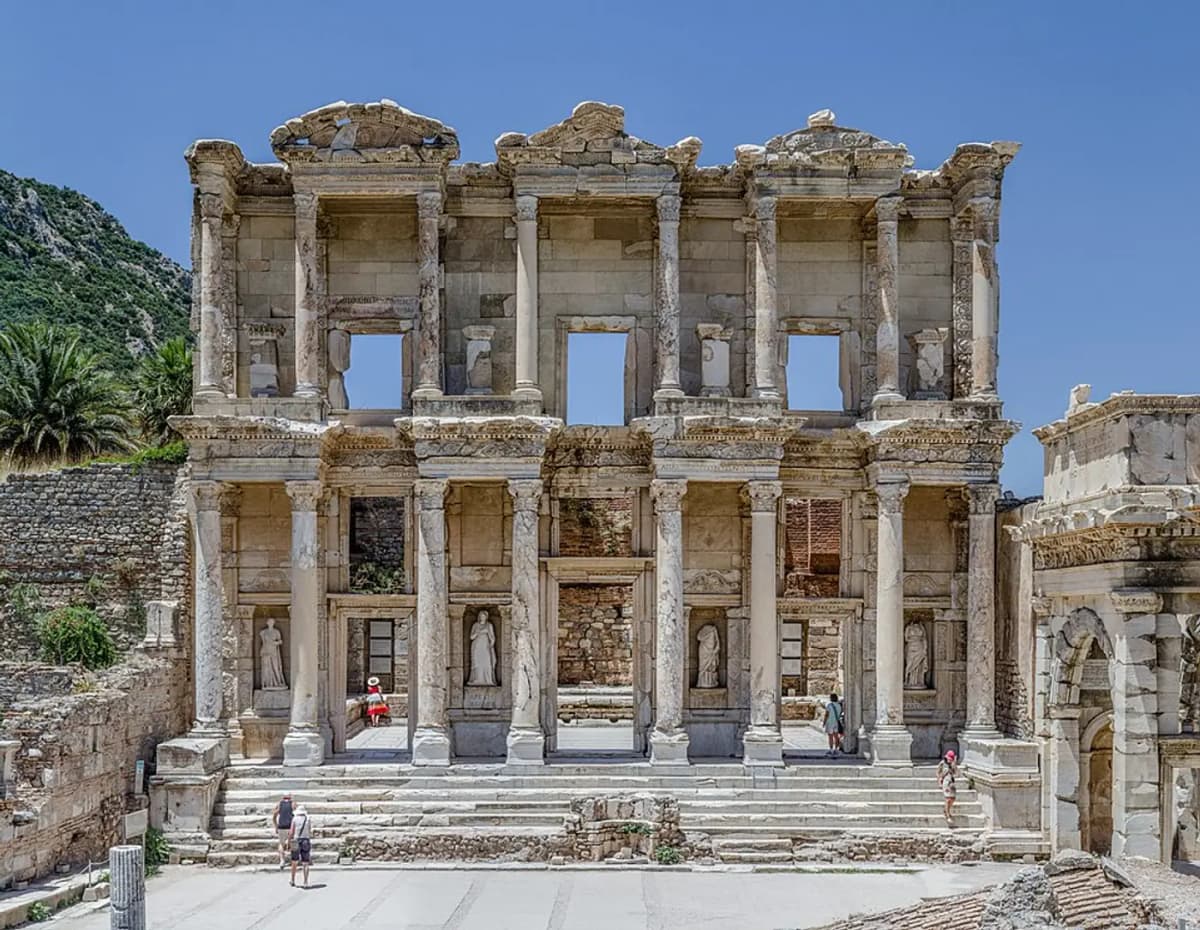
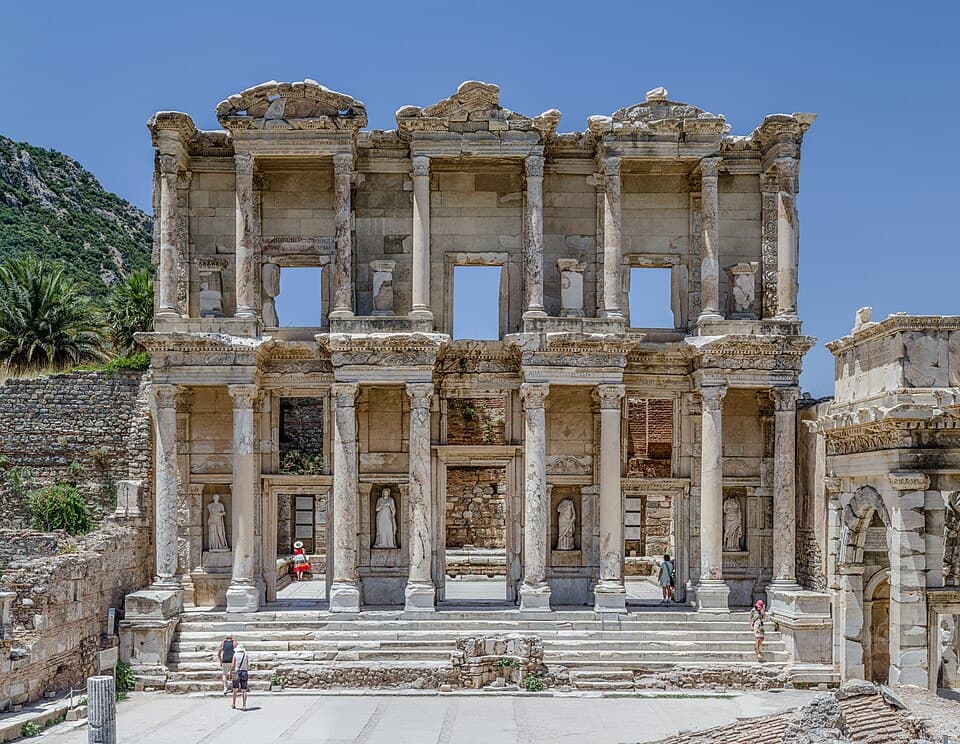
- · Library of Celsus
- · Great Theatre
- · House of the Virgin Mary (local tradition)
Sample only — customized for your group
Day 2–3
The Seven Churches of Revelation
Revelation 2–3
- · Pergamum
- · Thyatira
- · Sardis
- · Philadelphia
- · Laodicea
Sample only — customized for your group
Day 4+
Paul’s journeys through Anatolia
Acts 13 · 16 · 20
- · Pisidian Antioch
- · Alexandria Troas
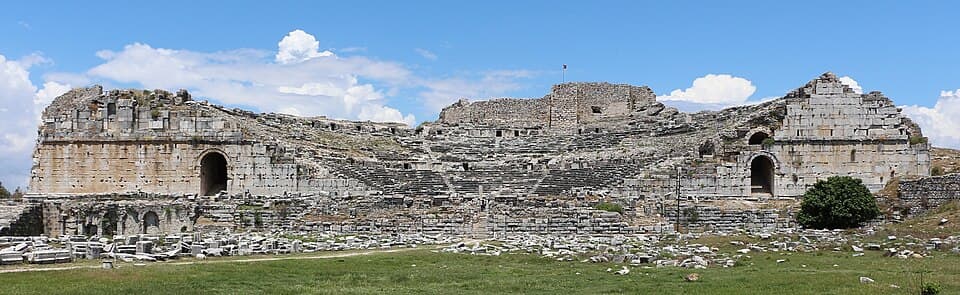
- · Miletus (Acts 20 farewell)
Sample only — customized for your group
Days 7–12
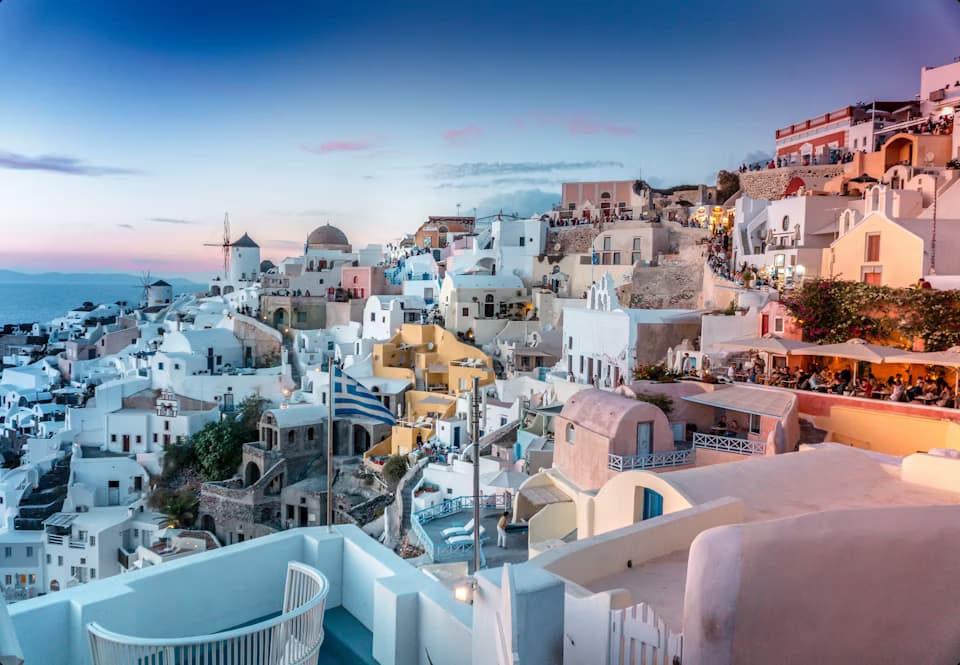
Patmos & Greece extensions
Revelation 1:9 · Acts 17:22
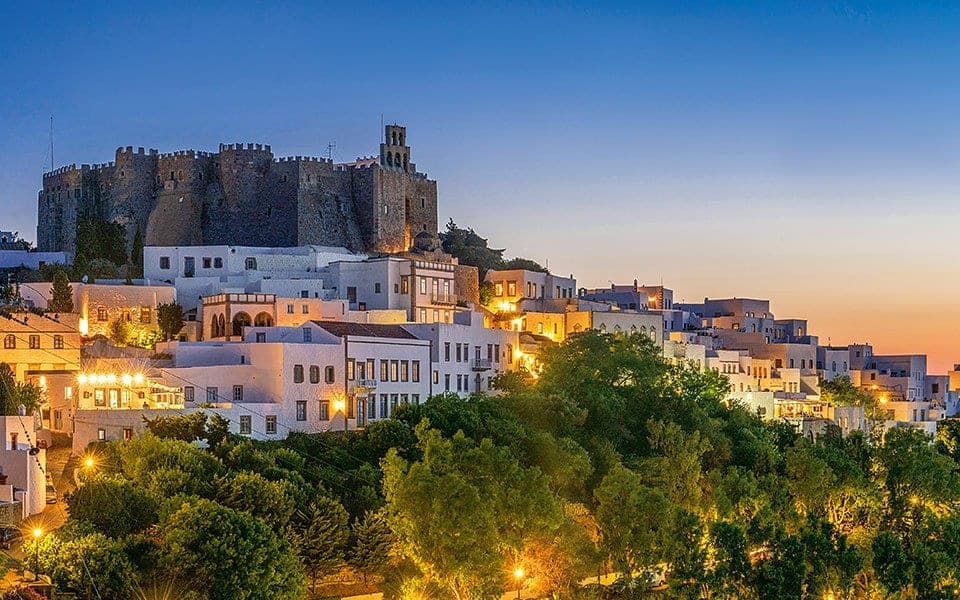
- · Patmos and its monastery (John association by tradition)
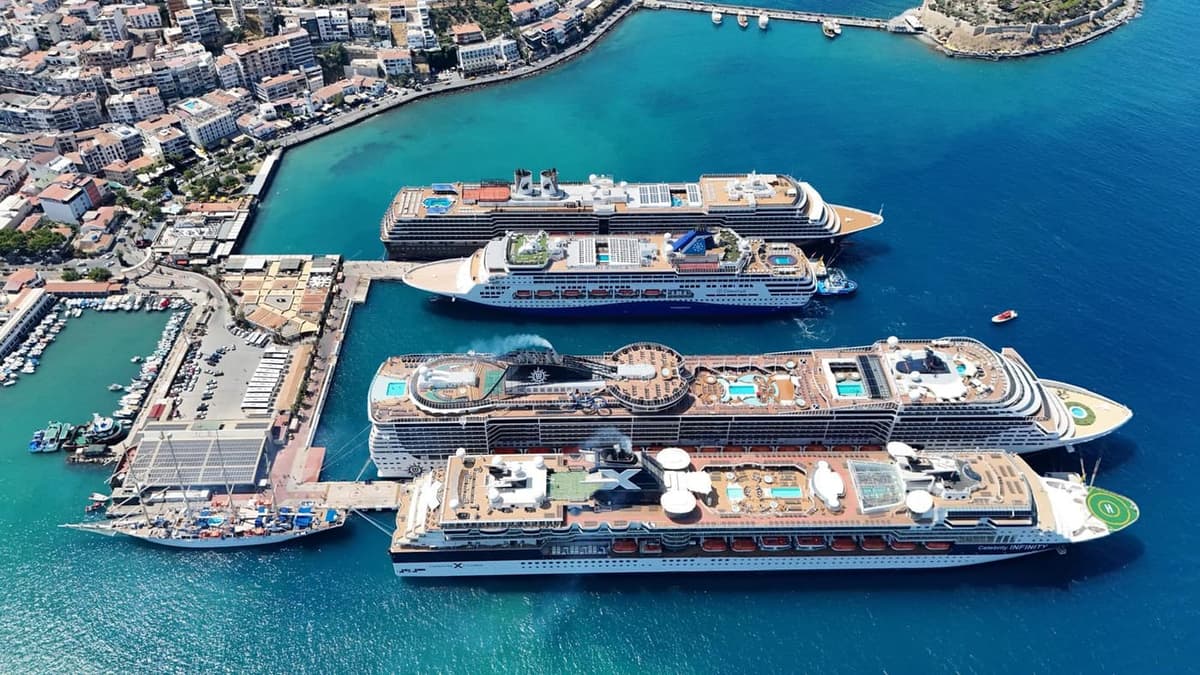
- · Seasonal ferries run from Kuşadası; check the current timetable
- · Greece mainland visits vary by itinerary
Sample only — customized for your group
Scripture & sites
Seven Churches map, photos & St. Paul
Scripture & sites
Seven Churches map, photos & St. Paul
Revelation 1:11
“What you see, write in a book and send it to the seven assemblies: to Ephesus, Smyrna, Pergamum, Thyatira, Sardis, Philadelphia, and to Laodicea.”
Interactive route
The Seven Churches Pilgrimage Trail
- 1. Ephesus
- 2. Smyrna
- 3. Pergamum
- 4. Thyatira
- 5. Sardis
- 6. Philadelphia
- 7. Laodicea
The Seven Churches — site photos
- Featured Highlight
Ephesus
Selçuk, İzmir•Revelation 2:1–7Revelation addresses Ephesus first among the seven assemblies (Revelation 2:1–7). Acts places Paul in the city, where he taught for two years (Acts 19:1–10). Today visitors can walk the ancient streets and see landmarks such as the Library of Celsus and Great Theatre. The nearby Basilica of St John is traditionally associated with the apostle John; that identification belongs to Christian tradition.
Revelation 2:4
“You left your first love.”
Smyrna
İzmir
Revelation 2:8–11
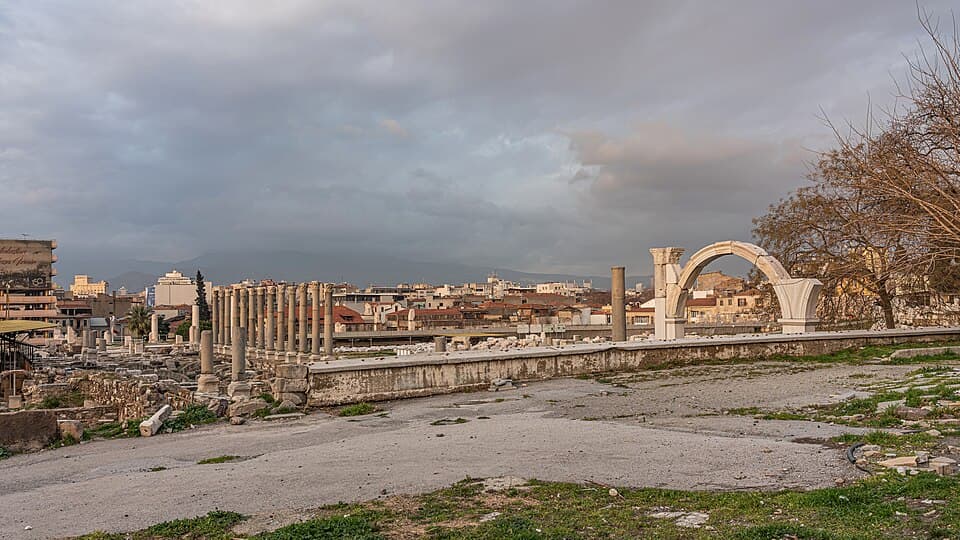
The letter to Smyrna speaks of affliction and poverty, then urges faithfulness (Revelation 2:8–11). The ancient city lies beneath modern İzmir, where the Agora of Smyrna preserves a visible part of its Roman-period history. Polycarp, an early bishop remembered in Christian tradition as a martyr of Smyrna, is associated with the city; Revelation itself does not name him.
Revelation 2:10
“Be faithful to death, and I will give you the crown of life.”
Pergamum
Bergama
Revelation 2:12–17
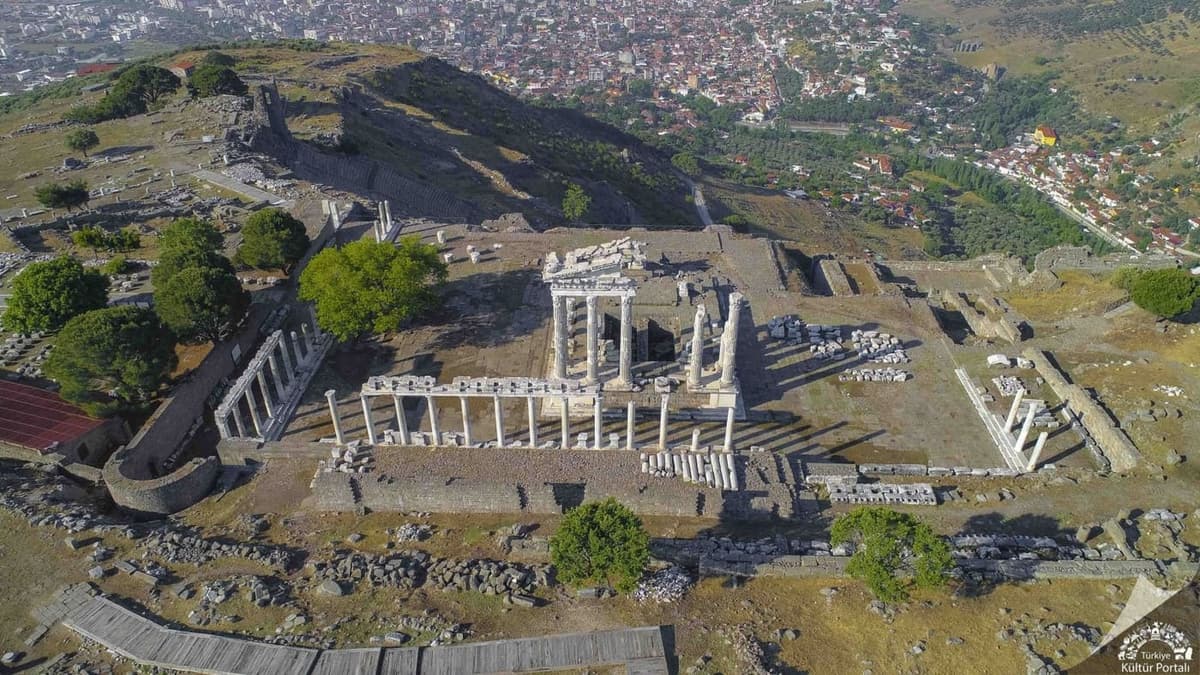
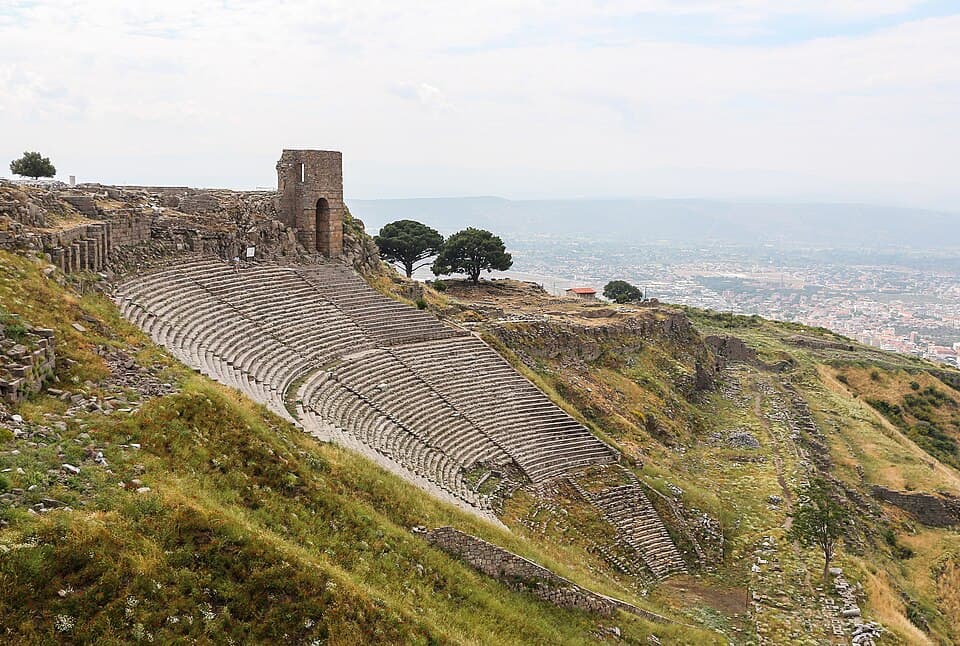
Pergamum’s letter names Antipas and uses the striking phrase “Satan’s throne” (Revelation 2:12–17). UNESCO describes Pergamon as a layered cultural landscape, with Hellenistic, Roman, Byzantine and Ottoman remains around modern Bergama. The steep acropolis theatre, terraces and lower city help visitors picture the scale and setting of the ancient city.
Revelation 2:13
“You hold firmly to my name, and didn’t deny my faith in the days of Antipas my witness, my faithful one, who was killed among you, where Satan dwells.”
Thyatira
Akhisar
Revelation 2:18–29
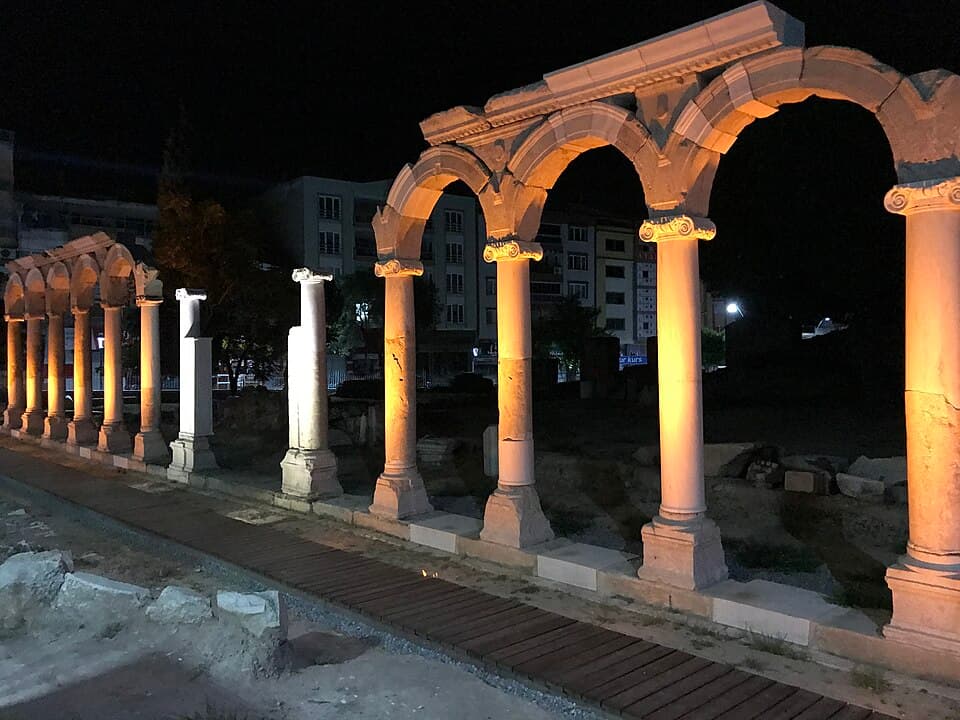
Thyatira’s letter commends love, faith, service and patient endurance, then addresses serious concerns (Revelation 2:18–29). Acts identifies Lydia as a seller of purple cloth from Thyatira, whom Paul met at Philippi (Acts 16:14). The ancient city is beneath modern Akhisar; remains are more modest than at Ephesus or Pergamum, so set expectations accordingly.
Revelation 2:19
“I know your works, your love, faith, service, patient endurance, and that your last works are more than the first.”
Sardis
Sart (Salihli)
Revelation 3:1–6
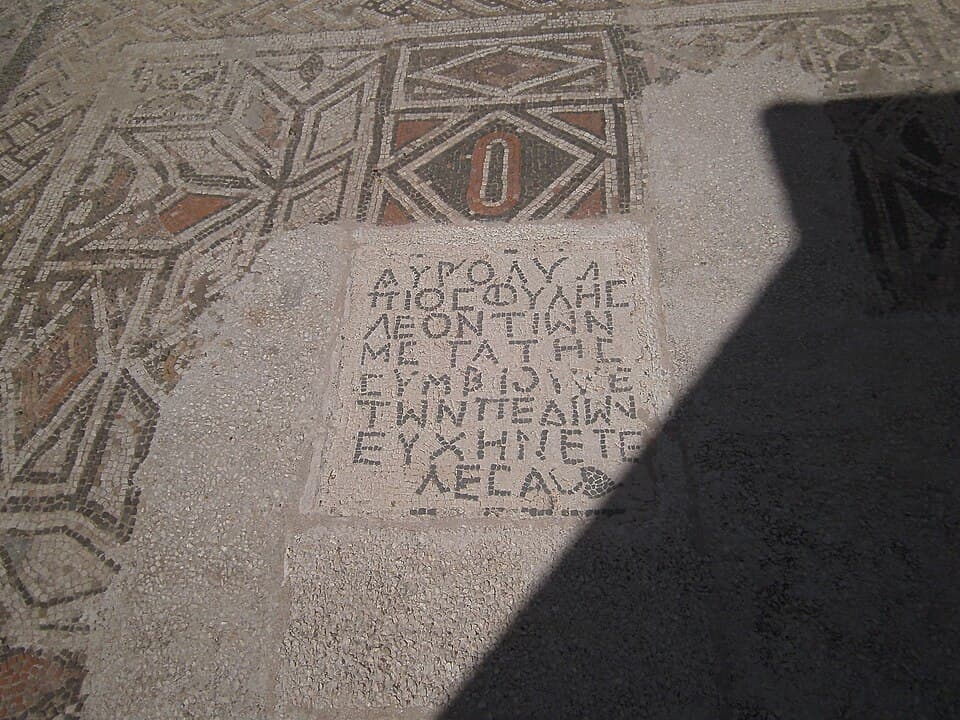
The message to Sardis warns an assembly with a reputation for being alive to wake and strengthen what remains (Revelation 3:1–6). Sardis was an important Lydian city. Its archaeological area includes remains from several periods, including a large synagogue and the Temple of Artemis. The site gives the letter a distinct setting within the Hermus Valley.
Revelation 3:2
“Wake up and strengthen the things that remain, which you were about to throw away.”
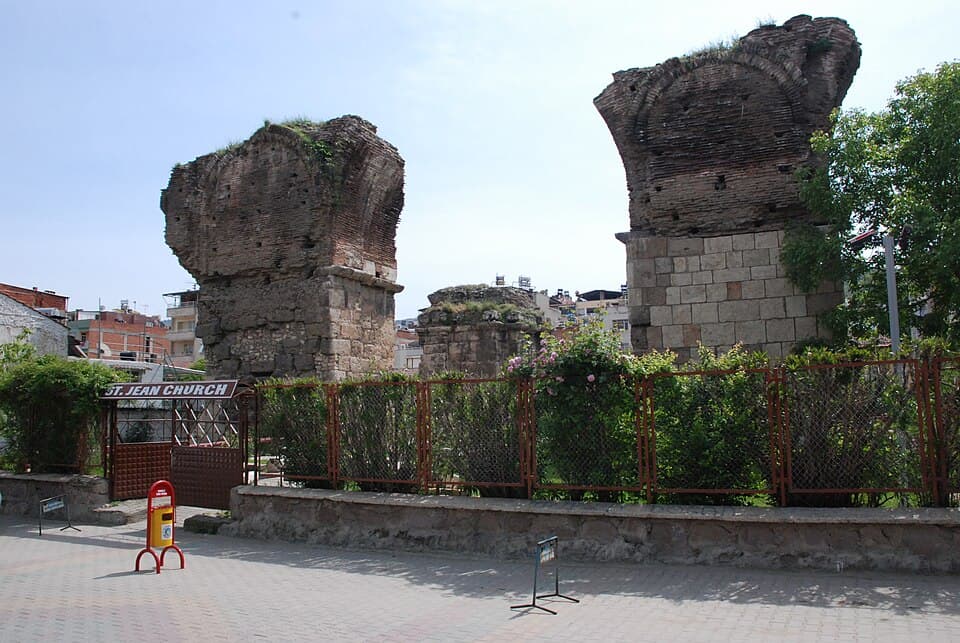
Philadelphia
Alaşehir
Revelation 3:7–13
Philadelphia’s letter speaks of an open door and commends the assembly for keeping the message and not denying the name (Revelation 3:7–13). The ancient city occupies part of modern Alaşehir. Visitors can see surviving monumental remains within the town, though the site is integrated into a living urban setting rather than presented as an extensive isolated archaeological park.
Revelation 3:8
“I know your works (behold, I have set before you an open door, which no one can shut), that you have a little power, and kept my word, and didn’t deny my name.”
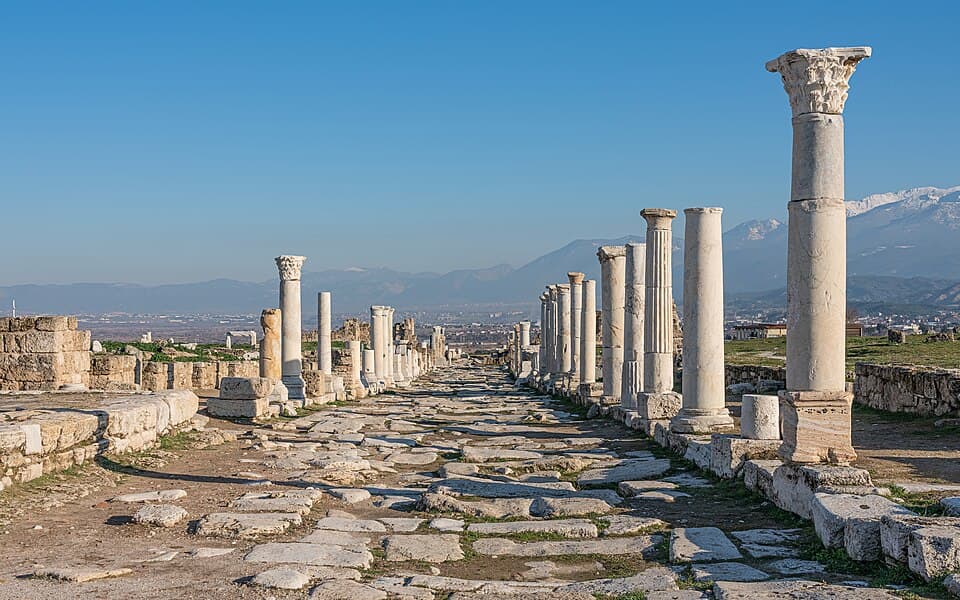
Laodicea
Denizli region
Revelation 3:14–22
The final letter in this group is addressed to Laodicea and includes the rebuke that the assembly is neither cold nor hot (Revelation 3:14–22). The archaeological site lies near modern Denizli and shows the scale of a major ancient city. Read the letter on site as scripture; explanations that connect its images to local water systems are interpretations, not the wording of Revelation.
Revelation 3:20
“Behold, I stand at the door and knock.”
St. Paul in Anatolia
The Apostle Paul spent years journeying across the rugged landscapes of ancient Anatolia (modern-day Turkey). From his birthplace in Tarsus, to his powerful sermons in Pisidian Antioch, and his emotional farewell in Miletus, Paul traveled thousands of miles across these lands to establish the early Church. Walking these same ancient stones brings his letters and the Book of Acts into clear, vivid focus.
“This went on for two years, so that all the Jews and Greeks who lived in the province of Asia heard the word of the Lord.”— Acts 19:10
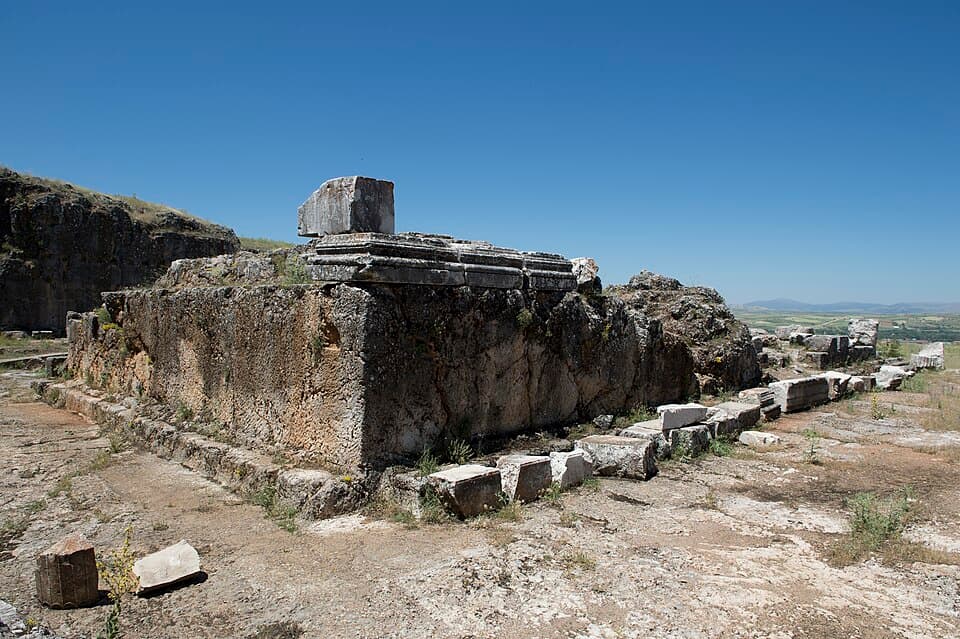
Antioch (Pisidia)
Acts 13:32–33
Paul’s sermon in the synagogue
“We bring you good news of the promise made to the fathers, that God has fulfilled this to us, their children, in that he raised up Jesus.”
Lystra & Derbe
Acts 14:8–10
Healing and missionary visits in Lycaonia
“Stand upright on your feet! … He leaped up and walked.”
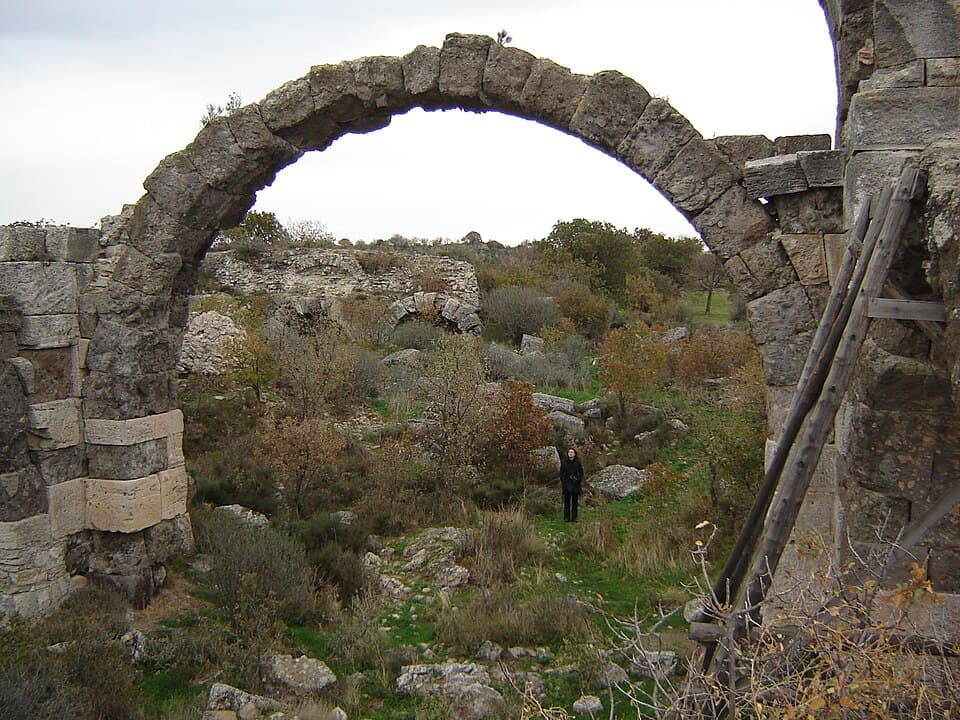
Troas
Acts 16:9–10
Vision of the man from Macedonia
“Come over into Macedonia and help us.”
Miletus
Acts 20:36–38
Farewell to the elders of Ephesus
“They all wept freely, and fell on Paul’s neck and kissed him, sorrowing most of all because of the word which he had spoken, that they should see his face no more.”
Frequently asked questions
How many days does a Seven Churches tour take?
The seven cities lie in an arc of western Turkey between Izmir and Denizli. Our shortest route covers all seven in three days from Izmir with long driving days; four days allows more time at each site. The six-, eight- and nine-day versions add Istanbul, and the eight-day version adds Patmos.
When is the best time for a Biblical tour in Turkey?
April to June and September to October are the most comfortable months for walking the sites. July and August are hot at inland ruins such as Laodicea and Sardis, where shade is limited. Winter is quieter, but days are short and drives are long. Tell us your dates and we plan each day around the heat.
How much walking should our group expect?
Ephesus is a walk of two to three hours on uneven marble, mostly downhill from the upper gate. Pergamon’s acropolis is steep, with a cable car to the top. Laodicea and Hierapolis cover large, open areas, while Thyatira and Philadelphia are small sites inside modern towns. Tell us about mobility needs before we plan.
Will our guide know the Biblical history of each site?
Every itinerary includes a licensed English-speaking biblical guide on all touring days. Send your study plan and the passages you want to read, and the guide builds the site talks around them, leaving time for your own reading, prayer or teaching at each stop. Your leaders stay in charge of the devotional programme.
How does Patmos fit into a Seven Churches trip?
Patmos, where John received the Revelation (Revelation 1:9), is a Greek island off Kuşadası. Our eight-day Seven Churches & Patmos pilgrimage includes a day trip from Kuşadası, and the 13-day Greece & Turkey tour reaches Patmos on a cruise. Seasonal ferries and cruise calls set the dates, so we confirm the crossing when we quote.
Can the route be adapted for our church group?
Yes. Every Biblical itinerary is a starting point: we can change the order of the churches, add Colossae, Miletus or Patmos, give Ephesus a longer day, or combine the route with Istanbul or Cappadocia. The proposal shows the drive time for each day, so your leaders can judge the pace before confirming anything.
How is a Biblical tour priced?
Biblical tours are priced by quote, not online, because the cost depends on dates, group size, rooming and route. Send the number of travellers, preferred dates, hotel standard and any sites to add or remove. We reply with a day-by-day proposal and a written price, and nothing is paid until your leaders approve it.
Revelation 3:20
“Behold, I stand at the door and knock. If anyone hears my voice and opens the door, then I will come in to him and will dine with him, and he with me.”
Ready to plan your group itinerary?
Message us on WhatsApp with your dates and group size — we'll send a tailored Seven Churches or St. Paul route, usually within a few hours.