Skip to content
1 / 16

Footsteps of St PaulTurkey Anatolia Journey (14 Days)

Istanbul14 DaysGroup tour
  • Duration14 Days

  • Tour typeGroup tour

  • RouteIstanbul → Cappadocia → Antalya → Pamukkale → Ephesus / Selcuk

  • PickupDay 1: TurkeyVia staff meet your group at Istanbul Airport (IST) or your confirmed Istanbul hotel for transfer and briefing. Day 14: Hotel pick-up for Istanbul Airport departure — allow time after the Troy and Dardanelles return for international check-in.

  • CancellationCancellation charges from 25% · see the schedule

Overview

This fourteen-day route follows Paul across southern, central, and western Turkey before reaching Istanbul. Begin in Istanbul and fly to Adana for the Antioch excursion, followed by Tarsus, the city Paul names as his birthplace in Acts 21:39 and 22:3. The well associated with him by tradition and the surviving ancient streets introduce the town’s layers of memory. The preceding visit to Antioch on the Orontes recalls how Acts 11:26 describes the community first called Christians. The cave church of St Peter belongs to the city’s Christian pilgrimage tradition, while the museum program places that history within a wider regional setting.

Highlights

  • Tarsus and Paul’s account of his own origins (Acts 22:3)
  • Antioch on the Orontes and the community first called Christians (Acts 11:26)
  • Cappadocia’s rock-cut churches in a region named by Peter (1 Peter 1:1–2)
  • Iconium and Pisidian Antioch on the first missionary journey (Acts 13:14; 14:1)
  • Perga and Attalia on Paul and Barnabas’s coastal return (Acts 14:25–26)
  • Colossae, Laodicea, and Hierapolis within Epaphras’s concern (Colossians 4:13)
  • Ephesus and Miletus, from teaching to pastoral farewell (Acts 19:10; 20:28)
  • Assos and Troas along Paul’s Aegean journeys (Acts 16:8–11; 20:13–14)

Itinerary

14 days · Istanbul → Cappadocia → Antalya → Pamukkale → Ephesus / Selcuk

  1. Day 1Arrival in IstanbulIstanbul Airport — arrival assistance and meeting point · Hotel transfer — Bosphorus or coastal orientation en route · Sultanahmet or Taksim — evening at leisure in the hotel district
    Arrive at Istanbul Airport and transfer by the Bosphorus or coastal route to the hotel. The evening remains free in the Sultanahmet or Taksim area, allowing time to rest before tomorrow’s city visits and flight south. This opening day prepares for Paul’s Anatolian geography rather than an apostolic site in Istanbul. Acts 13:2–3 introduces the sending of Barnabas and Saul from Antioch, a community the group will encounter early in the journey.
    1. Istanbul Airport — arrival assistance and meeting point

    2. Hotel transfer — Bosphorus or coastal orientation en route

    3. Sultanahmet or Taksim — evening at leisure in the hotel district

    Meals: —Overnight: Istanbul 4★

  2. Day 2Istanbul Old City — Fly to AdanaTopkapi Palace — imperial courts and treasury · Hippodrome — obelisk and other monuments of the Byzantine public arena · Blue Mosque — İznik tiles and Ottoman prayer-hall architecture
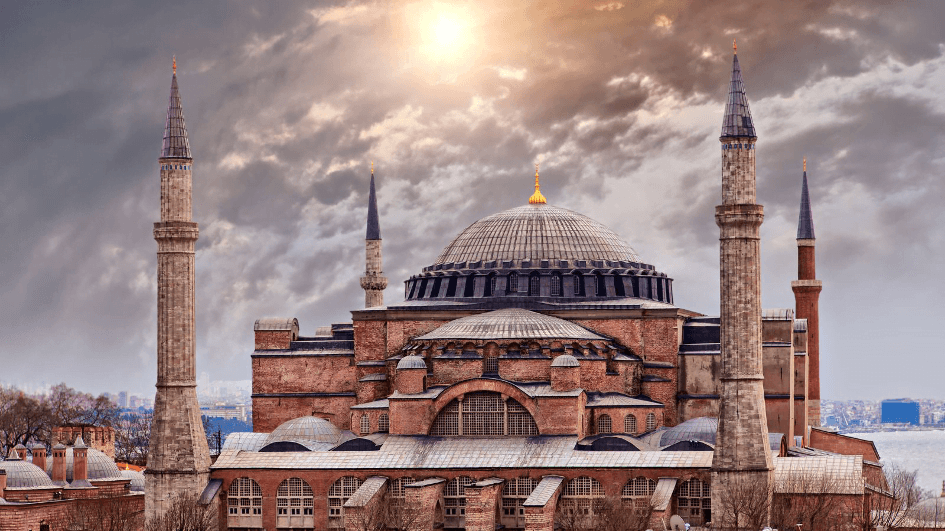
    Explore Istanbul’s Old City before the afternoon flight to Adana. Topkapi’s courtyards, the Hippodrome monuments, and the Blue Mosque introduce the Ottoman and Byzantine capital; Hagia Sophia’s dome belongs to Justinian’s sixth-century church. The flight then carries the route toward Antioch on the Orontes. Acts 11:26 prepares for that visit by describing Barnabas and Saul teaching there and the disciples receiving the name Christians. Transfer to the Adana hotel after arrival.
    1. Topkapi Palace — imperial courts and treasury

    2. Hippodrome — obelisk and other monuments of the Byzantine public arena

    3. Blue Mosque — İznik tiles and Ottoman prayer-hall architecture

    4. Hagia Sophia — great dome and surviving Christian mosaics

    5. Istanbul–Adana flight — afternoon journey toward the eastern Mediterranean

    6. Adana hotel — arrival transfer and check-in

    Meals: B, L, DOvernight: Adana 4★

  3. Day 3Antioch (Antakya)St Peter’s Grotto — cave chapel associated by tradition with Antioch’s early Christians · Antakya mosaic museum stop — the program’s museum visit focused on Roman and Byzantine floor mosaics · Orontes plain — river landscape of ancient Antioch (Acts 11:26)
    Travel from Adana to Antakya, ancient Antioch on the Orontes. St Peter’s Grotto preserves a cave church associated by tradition with the early Christian community. The planned museum visit centres on Roman and Byzantine mosaics, while the river plain and Mount Silpius explain the city’s setting. The archaeological briefing includes Antioch’s remains and Seleucia Pieria’s port context. Acts 11:26 describes the teaching community here; Acts 13:2–3 records its sending of Barnabas and Saul. Return to Adana.
    1. St Peter’s Grotto — cave chapel associated by tradition with Antioch’s early Christians

    2. Antakya mosaic museum stop — the program’s museum visit focused on Roman and Byzantine floor mosaics

    3. Orontes plain — river landscape of ancient Antioch (Acts 11:26)

    4. Mount Silpius approaches — hillside setting above the ancient city

    5. Antioch remains — archaeological and city-location briefing amid limited exposed remains

    6. Seleucia Pieria context — Antioch’s Mediterranean port and Paul’s departure (Acts 13:4)

    Meals: B, L, DOvernight: Adana 4★

  4. Day 4Tarsus & CappadociaSt Paul’s Well, Tarsus — well and courtyard associated by tradition with Paul’s birthplace · Tarsus Roman road and Cleopatra Gate — surviving roadway and ancient gateway · Tarsus centre — modern streets over the ancient city’s setting (Acts 21:39)
    Continue to Tarsus, where the well associated by tradition with Paul stands within the modern town. The Roman road and Cleopatra Gate add visible traces of the city’s ancient life. In Acts 21:39 and 22:3, Paul identifies Tarsus as his city and birthplace. After the city-centre visit, cross the Taurus region by the Cilician Gates route toward Cappadocia. Rock formations appear on the approach to the cave or stone hotel where the group settles for the night.
    1. St Paul’s Well, Tarsus — well and courtyard associated by tradition with Paul’s birthplace

    2. Tarsus Roman road and Cleopatra Gate — surviving roadway and ancient gateway

    3. Tarsus centre — modern streets over the ancient city’s setting (Acts 21:39)

    4. Cilician Gates route — mountain-pass journey from Cilicia toward the plateau

    5. Cappadocia approach — first views of the eroded rock formations

    6. Cappadocia hotel — check-in at the cave or stone property in the program

    Meals: B, L, DOvernight: Cappadocia cave hotel 4★

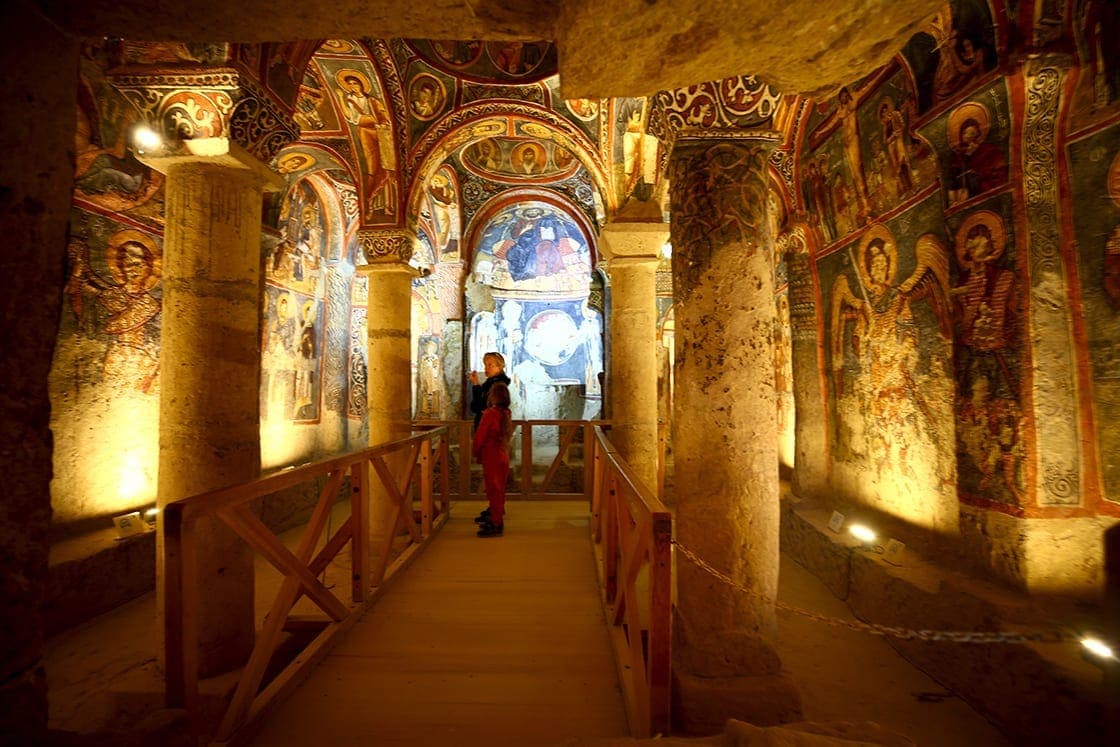
  5. Day 5Cappadocia Full DayGöreme Open Air Museum — rock-cut churches and Byzantine paintings (Cappadocia is named in 1 Peter 1:1) · Tokalı Church — painted New Testament scenes in the rock-cut interior · Uçhisar — rock citadel and broad views over the valleys
    Göreme’s rock-cut churches and Tokalı’s painted Gospel scenes form the centre of today’s Cappadocia visit. Continue to Uçhisar’s rock citadel, Paşabağ’s capped pillars, and Pigeon Valley’s carved dovecotes. In Avanos, a pottery demonstration connects the region’s clay with a living craft; the Turkish Night remains optional. First Peter 1:1–2 explicitly names Cappadocia among its recipients’ regions. The churches visited today show how later communities expressed Christian faith through architecture and painting in this landscape.
    1. Göreme Open Air Museum — rock-cut churches and Byzantine paintings (Cappadocia is named in 1 Peter 1:1)

    2. Tokalı Church — painted New Testament scenes in the rock-cut interior

    3. Uçhisar — rock citadel and broad views over the valleys

    4. Paşabağ — clustered fairy chimneys with multiple caps

    5. Pigeon Valley — carved dovecotes and valley scenery

    6. Avanos — pottery demonstration beside the Kızılırmak craft tradition

    7. Optional Turkish Night — the existing evening cultural performance choice

    Meals: B, L, DOvernight: Cappadocia cave hotel 4★

  6. Day 6Cappadocia to KonyaDerinkuyu — underground chambers and connecting passages · Ihlara Valley — Melendiz River gorge and rock-cut church setting · Selime — large rock-cut monastic and church spaces
    Descend through Derinkuyu’s underground rooms and passages before travelling into Ihlara’s river gorge. Rock-cut churches along the valley and the Selime monastic complex show how worship and habitation occupied the cliffs. Visit Sultanhan Caravanserai, a medieval stopping place for travellers, then continue toward Konya. At Alaaddin Hill, orient yourself within the modern city over ancient Iconium. Acts 14:1 records Paul and Barnabas speaking in Iconium’s synagogue, linking the destination to the first missionary journey.
    1. Derinkuyu — underground chambers and connecting passages

    2. Ihlara Valley — Melendiz River gorge and rock-cut church setting

    3. Selime — large rock-cut monastic and church spaces

    4. Sultanhan Caravanserai — medieval gateway and courtyard on the inland travel route

    5. Konya — modern city at ancient Iconium (Acts 14:1)

    6. Alaaddin Hill — the ancient settlement hill within Konya

    Meals: B, L, DOvernight: Konya 4★

  7. Day 7Konya, Antioch of Pisidia & AntalyaMevlana Museum, Konya — the city’s later Sufi heritage and museum setting · Pisidian Antioch — theatre and later basilica remains (Acts 13:14) · Pisidian Antioch sermon context — the synagogue address discussed beside the surviving city remains
    Begin in Konya at the Mevlana Museum, then travel to Pisidian Antioch near Yalvaç. The theatre, basilica remains, city gate, and aqueduct reveal the Roman and later Christian town. Acts 13:14 places Paul and Barnabas in the city’s synagogue; the sermon is discussed alongside the surviving archaeological setting. Continue south to Antalya’s Kaleiçi and harbour. Acts 14:25 names Attalia as the port reached after preaching at Perga, connecting the coastal destination with the return stage of their journey.
    1. Mevlana Museum, Konya — the city’s later Sufi heritage and museum setting

    2. Pisidian Antioch — theatre and later basilica remains (Acts 13:14)

    3. Pisidian Antioch sermon context — the synagogue address discussed beside the surviving city remains

    4. Pisidian Antioch infrastructure — Roman aqueduct remains and city-gate area

    5. Antalya Old Town — Kaleiçi streets and Hadrian’s Gate

    6. Antalya harbour — coastal setting of ancient Attalia (Acts 14:25)

    Meals: B, L, DOvernight: Antalya 4★

  8. Day 8Perge & AspendosPerga — stadium, Roman baths, and agora (Acts 14:25) · Perga main street — colonnades and Hellenistic city gates · Perga theatre and acropolis — the city’s auditorium and elevated ancient setting
    Travel from Antalya to Perga, where the stadium, baths, and agora introduce a substantial Pamphylian city. Follow the colonnaded street and see the Hellenistic gates, with the theatre and acropolis completing the city’s outline. Acts 14:25 records Paul and Barnabas speaking the word at Perga before going to Attalia. Continue to Aspendos for its Roman theatre and aqueduct arches. Aspendos adds regional architectural history to the day; the return drive leads back to Antalya for the evening.
    1. Perga — stadium, Roman baths, and agora (Acts 14:25)

    2. Perga main street — colonnades and Hellenistic city gates

    3. Perga theatre and acropolis — the city’s auditorium and elevated ancient setting

    4. Aspendos theatre — Roman stage building and tiers of seating

    5. Aspendos aqueduct — surviving arches across the landscape

    6. Antalya — return journey and evening at leisure

    Meals: B, L, DOvernight: Antalya 4★

  9. Day 9Colossae, Laodicea & PamukkaleColossae — ancient mound and Lycus Valley landscape of the letter’s recipients · Laodicea theatre area — surviving performance spaces and civic remains · Laodicea stadium and church — athletic landscape and later Christian building (Revelation 3:19–20)
    Cross inland from Antalya to the Lycus Valley. At Colossae, the mound and surrounding plain introduce the community that received the letter to the Colossians. Laodicea offers more extensive visible remains: theatre, stadium, excavated church, and water infrastructure. Colossians 4:13 links these neighbouring communities with Hierapolis through Epaphras’s concern. Revelation 3:19–20 calls Laodicea to renewed zeal and fellowship. Continue toward Pamukkale, with terrace views if the day’s timing allows, and the Hierapolis landscape ahead.
    1. Colossae — ancient mound and Lycus Valley landscape of the letter’s recipients

    2. Laodicea theatre area — surviving performance spaces and civic remains

    3. Laodicea stadium and church — athletic landscape and later Christian building (Revelation 3:19–20)

    4. Laodicea waterworks — water-tower remains and the city’s supply infrastructure

    5. Pamukkale — travertine landscape, with evening views if timing allows

    6. Hierapolis approach — the neighbouring city named with Laodicea in Colossians 4:13

    Meals: B, L, DOvernight: Pamukkale 4★

  10. Day 10Hierapolis, Philadelphia, Sardis, Smyrna — KuşadasıHierapolis necropolis — stone sarcophagi and tomb buildings · Hierapolis theatre and Philip martyrium — Roman auditorium and early Christian pilgrimage ruins · Philadelphia — St John basilica piers and wall remains in Alaşehir (Revelation 3:8)
    Explore Hierapolis’s necropolis, theatre, and Philip martyrium before leaving the Pamukkale region. The martyrium is associated by early tradition with the apostle Philip. Continue through Philadelphia’s surviving basilica piers and Sardis’s synagogue and Artemis precinct. Revelation 3:8 encourages Philadelphia’s perseverance; 3:2 calls Sardis to renewed watchfulness. The route then reaches Smyrna’s Agora in Izmir for a short city visit, before continuing to Kuşadası harbour and the overnight base for Ephesus and Miletus.
    1. Hierapolis necropolis — stone sarcophagi and tomb buildings

    2. Hierapolis theatre and Philip martyrium — Roman auditorium and early Christian pilgrimage ruins

    3. Philadelphia — St John basilica piers and wall remains in Alaşehir (Revelation 3:8)

    4. Sardis — synagogue, Artemis temple columns, and adjacent church remains (Revelation 3:2)

    5. Smyrna, Izmir — short city visit centred on the Agora (Revelation 2:10)

    6. Kuşadası harbour — arrival at the Aegean overnight base

    Meals: B, L, DOvernight: Kuşadası 4★

  11. Day 11Ephesus & MiletusEphesus — Library of Celsus, Great Theatre, and odeon (Revelation 2:4–5) · Church of Mary, the Double Church — remains associated with the Council of Ephesus in 431 · Meryemana — chapel associated by tradition with Mary on Bülbüldağı / Mount Koressos
    Walk Ephesus’s public centre among the Celsus Library façade, Great Theatre, and odeon. The Church of Mary, also called the Double Church, recalls the Council of Ephesus in 431. Meryemana preserves the tradition of Mary’s home; St John’s Basilica stands over his traditional tomb. Continue to Miletus’s theatre, baths, and Delphinion. Acts 20:28 belongs to Paul’s address to the Ephesian elders in this city, urging them to care for themselves and the people entrusted to them.
    1. Ephesus — Library of Celsus, Great Theatre, and odeon (Revelation 2:4–5)

    2. Church of Mary, the Double Church — remains associated with the Council of Ephesus in 431

    3. Meryemana — chapel associated by tradition with Mary on Bülbüldağı / Mount Koressos

    4. Basilica of St John — church ruins around John’s traditional tomb

    5. Miletus theatre — auditorium overlooking the former harbour landscape (Acts 20:17)

    6. Miletus baths and Delphinion — civic and sanctuary remains in the city of Paul’s farewell

    Meals: B, L, DOvernight: Kuşadası 4★

  12. Day 12Thyatira, Pergamon & Alexandria Troas — AssosThyatira — small excavated precinct in Akhisar (Revelation 2:19) · Pergamon acropolis — Trajan temple and hillside theatre (Revelation 2:13) · Red Basilica — monumental brick remains in lower Bergama
    Head north through Thyatira’s excavation in Akhisar to Pergamon’s temple terraces and theatre, then the Red Basilica in the lower city. Revelation 2:13 remembers believers who held Christ’s name here. Continue to Alexandria Troas, where Roman remains and the former harbour setting frame Acts 16:9–10 and Paul’s call toward Macedonia. The route ends at Assos, with its Athena temple columns above the Aegean. Acts 20:13–14 records Paul meeting his companions at Assos before boarding their ship.
    1. Thyatira — small excavated precinct in Akhisar (Revelation 2:19)

    2. Pergamon acropolis — Trajan temple and hillside theatre (Revelation 2:13)

    3. Red Basilica — monumental brick remains in lower Bergama

    4. Alexandria Troas — Roman city remains in the setting of Paul’s Macedonian vision (Acts 16:9–10)

    5. Troas city landscape — surviving road alignments and theatre terrain

    6. Assos, Behramkale — Aegean outlook from the ancient city (Acts 20:13–14)

    7. Temple of Athena, Assos — surviving columns on the acropolis

    Meals: B, L, DOvernight: Assos / Behramkale 3★+

  13. Day 13Troy, Dardanelles & IstanbulTroy — excavated fortifications and successive settlement layers · Troy wooden horse — modern replica at the archaeological site · Dardanelles ferry — crossing from the Çanakkale region to the opposite shore
    Travel from Assos to Troy, where excavated walls and successive settlement levels tell a history extending long before the New Testament. The wooden-horse replica belongs to the modern presentation of the site. Continue to the Dardanelles ferry and cross toward the Gallipoli peninsula, then drive to Istanbul for the farewell dinner. Today’s reading, Acts 20:13–14, recalls yesterday’s Assos visit and Paul’s reunion with his companions; Troy itself is a separate archaeological chapter.
    1. Troy — excavated fortifications and successive settlement layers

    2. Troy wooden horse — modern replica at the archaeological site

    3. Dardanelles ferry — crossing from the Çanakkale region to the opposite shore

    4. Gallipoli peninsula — passing views and the optional historical briefing

    5. Istanbul — arrival and final hotel check-in

    6. Farewell dinner — the final shared meal in the existing program

    Meals: B, L, DOvernight: Istanbul 4★

  14. Day 14Istanbul DepartureIstanbul hotel — checkout following the farewell evening · Istanbul Airport — departure transfer · Spice Bazaar or Grand Bazaar — optional morning visit only if time permits
    Leave the Istanbul hotel for the airport after the final night of the journey. If time permits, the existing optional morning visit to the Spice Bazaar or Grand Bazaar offers one last walk among the city’s covered stalls. The group has travelled from Antioch and Tarsus to the Aegean churches and Troas. Return in reflection to Acts 20:32 at Miletus, where Paul entrusted the elders to God’s grace before they parted.
    1. Istanbul hotel — checkout following the farewell evening

    2. Istanbul Airport — departure transfer

    3. Spice Bazaar or Grand Bazaar — optional morning visit only if time permits

    Meals: BOvernight: Departure (no overnight)

What's included

Included

  • Licensed English-speaking biblical guide on the touring days in the itinerary
  • Air-conditioned ground transport and airport transfers listed in the itinerary
  • Meals as specified each day (B/L/D combinations per itinerary — full board pattern on overland days)
  • Entrance fees to Antioch sites, Cappadocia museums, Perge, Aspendos, Seven Churches archaeological parks, Ephesus, Miletus, Troas, Troy
  • Dardanelles ferry crossing on day 13
  • Assos overnight and Troas visit — Paul’s Macedonian vision harbour (Acts 16:9–10)
  • 2 nights in Istanbul: central 4★ hotel, double room with breakfast
  • 2 nights in Cappadocia: Celestial Cave Hotel or similar, double room with breakfast
  • 2 nights in Antalya: Ramada Plaza Antalya or similar, double room with breakfast
  • 1 night in Pamukkale: Lycus River Thermal Hotel or similar, double room with breakfast
  • 2 nights in Ephesus: Nilya Hotel Selcuk or similar, double room with breakfast

Not included

  • Travel insurance
  • Visa fees
  • Single room supplement
  • Drinks
  • Optional Turkish Night in Cappadocia, hot air balloon, and other extras unless added to quote
  • Tips (optional)
  • Personal expenses
  • Meals not listed in the itinerary

Optional extras

  • Hotel nights (9 nights)

Good to know

Workshop stop: a pottery workshop. Part of the programme, no obligation to buy.

Cancellation policy

Cancellation charges from 25% · see the schedule

  • 91 days or more: The 25% administrative fee is charged. 61–90 days: 55% of the total is charged (30% + the 25% administrative fee). 31–60 days: 65% of the total is charged (40% + the 25% administrative fee). 16–30 days: 95% of the total is charged (70% + the 25% administrative fee). 15 days or less or no-show: 100% of the total is charged. Charges are percentages of the total booking value and include the 25% administrative fee retained on every cancellation; non-refundable flight, hotel or entrance tickets already bought are added, up to 100% of the total. Your deposit is applied to the charge: if the charge is higher than your deposit, you pay us the difference; anything we hold above the charge is refunded within 14 days.
  • If a hotel in your package is booked on a non-refundable rate, we tell you before you pay and that night's cost is retained on cancellation.
  • Request cancellation in writing, by email or WhatsApp; the cancellation date is the day we receive your message. Refunds go back the way you paid, within 14 days: card payments to the same card. Shore excursions are paid on the day, so nothing is collected in advance.
  • If unavoidable extraordinary circumstances at the destination make the trip impossible, you receive a full refund, less any mandatory taxes and genuinely non-refundable third-party payments, itemised for you.
  • Date changes are free when requested at least 72 hours before a day tour, 24 hours before a shore excursion, or 21 days before a package or a day trip by plane, subject to availability. For these, a date change 14–20 days before departure costs €50 per booking; under 14 days it depends on availability, and any airline or hotel change fees are charged at cost. Name changes (passing your booking to someone else at least 7 days before departure) are free except for any airline name-change fee, charged at cost.
  • If TurkeyVia cancels, including because the minimum group size is not met, you can choose a full refund or an alternative.
Full cancellation policy

Frequently asked questions

What is included in the Footsteps of St Paul?

Included:

  • Licensed English-speaking biblical guide on the touring days in the itinerary
  • Air-conditioned ground transport and airport transfers listed in the itinerary
  • Meals as specified each day (B/L/D combinations per itinerary — full board pattern on overland days)
  • Entrance fees to Antioch sites, Cappadocia museums, Perge, Aspendos, Seven Churches archaeological parks, Ephesus, Miletus, Troas, Troy
  • Dardanelles ferry crossing on day 13
  • Assos overnight and Troas visit — Paul’s Macedonian vision harbour (Acts 16:9–10)
  • 2 nights in Istanbul: central 4★ hotel, double room with breakfast
  • 2 nights in Cappadocia: Celestial Cave Hotel or similar, double room with breakfast
  • 2 nights in Antalya: Ramada Plaza Antalya or similar, double room with breakfast
  • 1 night in Pamukkale: Lycus River Thermal Hotel or similar, double room with breakfast
  • 2 nights in Ephesus: Nilya Hotel Selcuk or similar, double room with breakfast

Not included:

  • Travel insurance
  • Visa fees
  • Single room supplement
  • Drinks
  • Optional Turkish Night in Cappadocia, hot air balloon, and other extras unless added to quote
  • Tips (optional)
  • Personal expenses
  • Meals not listed in the itinerary
How long is the Footsteps of St Paul and where does it start?

The Footsteps of St Paul runs 14 Days and covers Istanbul, Cappadocia, Antalya, Pamukkale, Ephesus / Selcuk, with 9 hotel nights. Start: Day 1: TurkeyVia staff meet your group at Istanbul Airport (IST) or your confirmed Istanbul hotel for transfer and briefing. Day 14: Hotel pick-up for Istanbul Airport departure — allow time after the Troy and Dardanelles return for international check-in.

When is the best time for this Biblical tour?

April to June and September to October are the most comfortable months for walking the sites. July and August are hot at inland ruins such as Laodicea and Sardis, where shade is limited. Winter is quieter, but days are short and drives are long. Tell us your dates and we plan each day around the heat.

How much walking is involved at the sites?

Ephesus is a walk of two to three hours on uneven marble, mostly downhill from the upper gate. Pergamon’s acropolis is steep, with a cable car to the top. Laodicea and Hierapolis cover large, open areas, while Thyatira and Philadelphia are small sites inside modern towns. Tell us about mobility needs before we plan.

Which hotels are used on the Footsteps of St Paul?

  • 2 nights in Cappadocia: Celestial Cave Hotel or similar, double room with breakfast
  • 2 nights in Antalya: Ramada Plaza Antalya or similar, double room with breakfast
  • 1 night in Pamukkale: Lycus River Thermal Hotel or similar, double room with breakfast
  • 2 nights in Ephesus: Nilya Hotel Selcuk or similar, double room with breakfast

Each night’s hotel is named in your booking confirmation.

Will our guide know the Biblical history of each site?

The itinerary includes a licensed English-speaking biblical guide on all touring days. Send your study plan and the passages you want to read, and the guide builds the site talks around them, leaving time for your own reading, prayer or teaching at each stop. Your leaders stay in charge of the devotional programme.

How is the price for our group worked out?

Biblical tours are priced by quote, not online, because the cost depends on dates, group size, rooming and route. Send the number of travellers, preferred dates, hotel standard and any sites to add or remove. We reply with a day-by-day proposal and a written price, and nothing is paid until your leaders approve it.

Planning guide

Price on request

You may also like

Similar Tours

What to Expect on Your Turkey Tour

Everything you need to know before booking your Footsteps of St Paul — Turkey Anatolia Journey (14 Days). Honest answers from travel experts.

Is Turkey Safe for Tourists in 2026?

Yes — Turkey is one of the safest destinations for travelers in 2026. Tourist hubs like Istanbul, Cappadocia, and the Aegean coast welcome millions of visitors annually with well-established tourism infrastructure. Our guided days are led by licensed local guides, with hotel pickup and a team you can reach on WhatsApp.

What Does a Turkey Tour Package Include?

Every TurkeyVia tour includes boutique or 4-5★ hotel accommodation, daily breakfast, a professional English-speaking guide, airport transfers, entry fees to all sites on the itinerary, and private air-conditioned transport between cities. International flights, visas, personal expenses, and tips are excluded. See the Included tab above for this specific tour's full breakdown.

Are Small Group Tours Worth It?

Absolutely. Our groups max out at Church groups · 2–20+ pax · custom quote people — that means faster entry at sites, more one-on-one time with your guide, access to boutique hotels that can't accommodate large coaches, and a genuinely personal experience. Big bus tours spend roughly 40% more time waiting — loading, counting heads, bathroom breaks. You experience Turkey, not a parking lot.

When Is the Best Time to Visit Turkey?

April through May and September through October are ideal — mild temperatures (18-25°C), fewer crowds than peak summer, and perfect conditions for sightseeing in Istanbul, Cappadocia, and along the Aegean coast. Summer (Jun-Aug) works well for coastal itineraries but inland sites can be hot. Winter offers lower prices and near-empty sites, though some mountain passes close.

How Many Days Do I Need in Turkey?

This tour is 14 Days — the ideal length to experience each destination without feeling rushed, yet short enough for a standard holiday. For a first-time Turkey visit, 7-10 days covers the Istanbul-Cappadocia-Ephesus triangle comfortably. Fewer than 5 days and you'll miss key sites; more than 14, and most travelers report fatigue. You'll cover 14 carefully paced stops.

Ready to Experience Turkey?

Book Footsteps of St Paul — Turkey Anatolia Journey (14 Days) with a local team and licensed guides. Questions first? Our team answers on WhatsApp.

Licensed local guides · Cancellation charges from 25% · see the schedule

Questions before you book? Message us on WhatsApp.

Tell us your dates, your ship or the tour you like. We reply on WhatsApp within about 1 hour, 09:00–18:00 Turkey time, and in the evening whenever we can.