
The connection is meaningful, but it requires careful planning. Patmos is in Greece; Ephesus, Smyrna, Pergamum, Thyatira, Sardis, Philadelphia and Laodicea are in modern Turkey. Seasonal ferries run from Kuşadası — check the current timetable. For a group itinerary, begin at Biblical tours in Turkey and compare the eight-day Seven Churches and Patmos pilgrimage, the 13-day Greece and Turkey journey and the four-day western circuit.
What Revelation says about Patmos
Revelation 1:9 names Patmos directly. The verse says that John was there because of God’s word and the testimony of Jesus. It does not describe the physical location of a cave or explain the circumstances in the detail that later traditions do. When teaching the passage, read the verse as written before adding historical or devotional context.
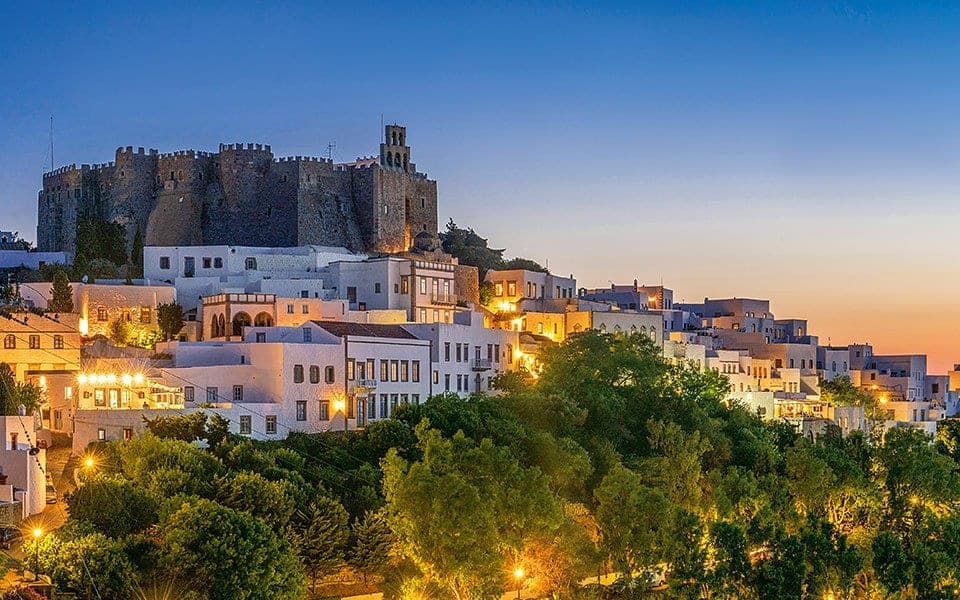
UNESCO’s heritage page describes the historic centre of Chora, the Monastery of Saint John the Theologian and the Cave of the Apocalypse as one World Heritage property. It says the island is reputed to be where John wrote the Gospel and Apocalypse, and identifies the cave tradition as a later religious association. This is a careful framework for group leaders: scripture names the island; Christian tradition associates specific places on Patmos with John and Revelation.
The monastery and cave are part of a living religious and historic setting, not simply a backdrop for a tour. Plan time for the walk between Skala and Chora, and check current opening arrangements before travel. Local access rules, services and site conditions can affect a visit. Avoid promising that a group can gather or hold a service in a particular place unless permission has been confirmed.
Full route, pickup details and what is included: Seven Churches & Patmos — Turkey Pilgrimage (8 Days).
How the island connects to the Seven Churches
The connection is literary and geographical. Revelation 1 introduces the writer and the island; Revelation 2–3 contains the messages addressed to seven assemblies across the Aegean coast and inland valleys. The letters are linked by the book’s sequence, while each city receives distinct words and themes. A group can read Revelation 1 on Patmos, then follow the letters on the Turkish mainland.
This does not mean John’s exact sailing route is known from the text. Nor does a modern ferry route establish the route taken in antiquity. Explain that the contemporary connection is a travel itinerary that brings together places named in Revelation, not a reconstruction of every movement by the author.
For leaders, this distinction can deepen rather than diminish the trip. Patmos offers a setting for discussing the opening vision and the book’s address to Asia. The mainland gives the group seven different civic settings and archaeological landscapes. A map and a shared reading plan make those relationships easier to understand.
The practical connection from Kuşadası
Kuşadası is a useful mainland base for Ephesus and a departure point for some Aegean sailings. Seasonal ferries run from Kuşadası — check the current timetable. Do not assume that a service operates on every date, that every sailing aligns with a group’s hotel plan, or that a crossing will allow a same-day connection onward. Verify the operating dates and terms for the exact travel period.
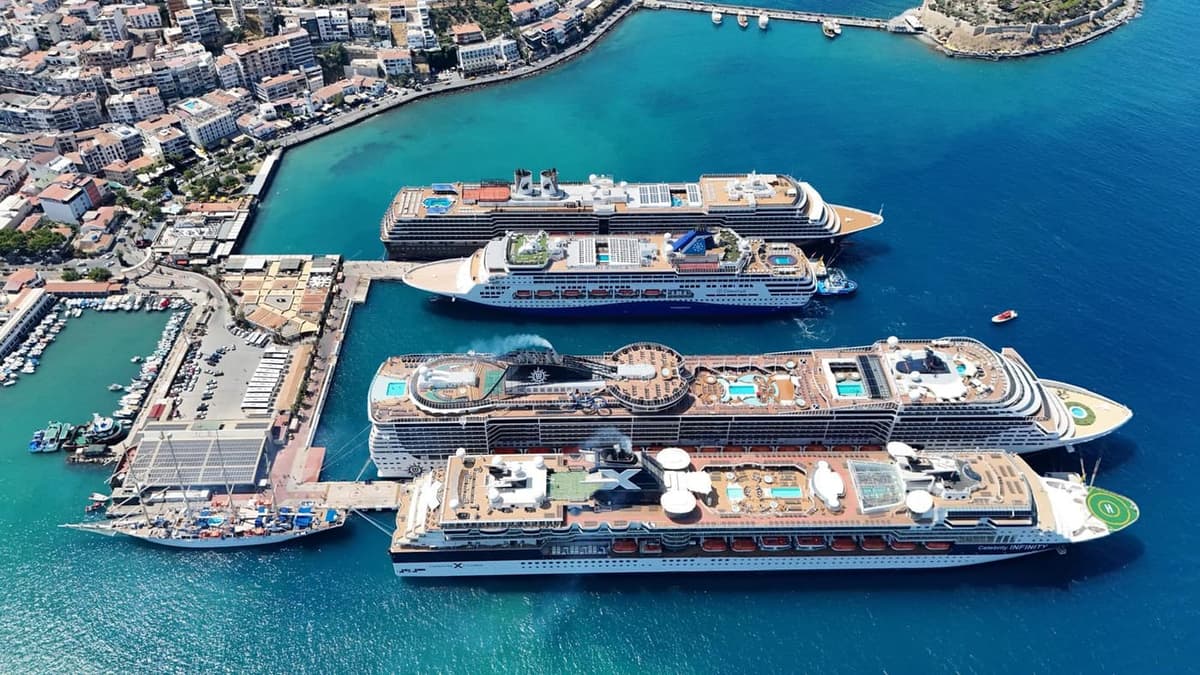
Cruise itineraries can also include a Patmos port call. A port visit is different from a stay on the island: time ashore may be limited, arrival times can change, and the group must return to the ship according to its schedule. Ask what the port call actually allows before promising a visit to both the monastery and the cave.
Cross-border travel requires attention to passports, entry requirements, luggage and transfer arrangements. Those rules depend on travellers’ nationalities and can change. Each participant should check current official guidance for their own documents. Group leaders should build time for ferry check-in, disembarkation and onward transport rather than treating the crossing as a simple local boat ride.
Choose a route that protects time at the sites
A concise Seven Churches circuit can take several days because the ancient cities are spread across western Turkey. Adding Patmos introduces sea travel and another country, so the itinerary needs extra days or a broader cruise plan. A rushed connection risks reducing the island to a hurried transfer and the mainland cities to photo stops.
The four-day western route concentrates on the Turkish cities. The eight-day Patmos journey connects the island with the Revelation route. The 13-day Greece and Turkey cruise covers a broader region. Compare the stated itinerary, travel days and overnight locations rather than choosing by title alone.
For a church group, request a day-by-day proposal that shows which day includes Patmos, the port or ferry plan, the time ashore, and how the Seven Churches route is sequenced. Ask whether the itinerary includes a night on Patmos or only a port call. Those details shape the experience and the amount of quiet study time available.
Plan study around Revelation 1–3
Before travel, assign Revelation 1:9–20 as the Patmos reading and prepare a short discussion on the setting of the vision. At Ephesus, Smyrna, Pergamum, Thyatira, Sardis, Philadelphia and Laodicea, read each letter in its own setting. Participants can note what is praised, corrected or promised without forcing every city into the same lesson.
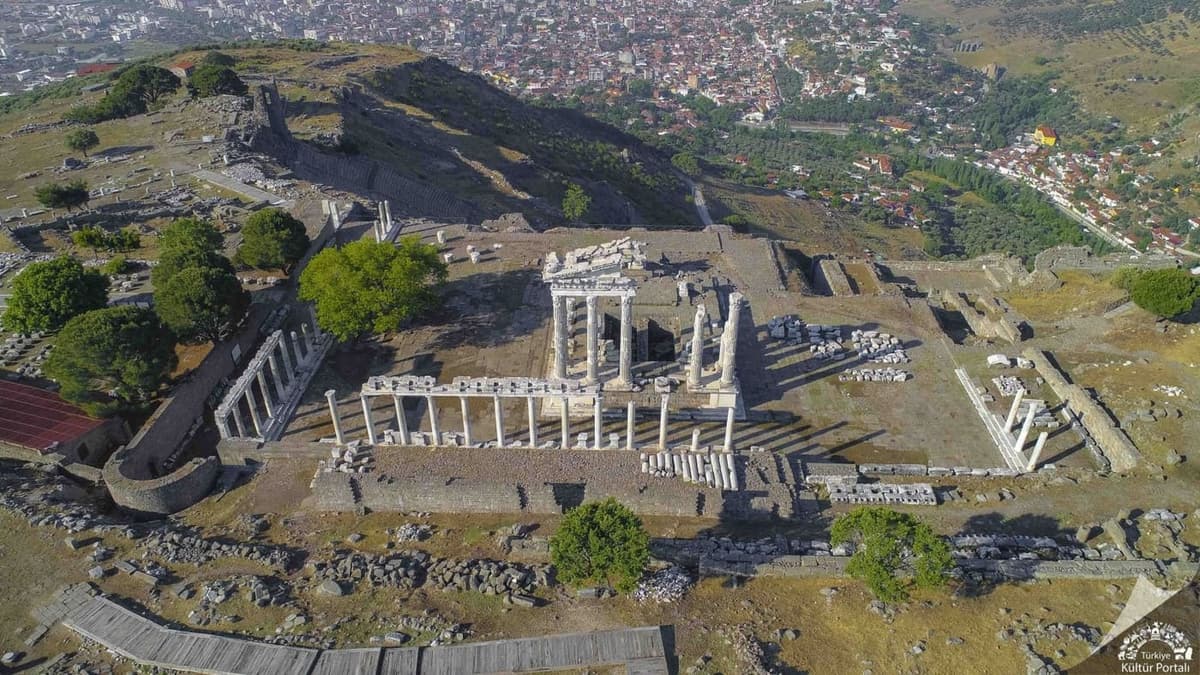
Use a map to follow the sequence in Revelation 1:11 and then trace the modern route. Some cities have extensive archaeological areas, while others are encountered in contemporary towns. Ephesus and Pergamum have prominent remains; Thyatira and Philadelphia require more explanation of how ancient sites sit within modern communities. Give each place a realistic introduction.
Keep readings short enough to suit outdoor conditions. Shade, noise, visitor movement and uneven ground can make a long discussion impractical. A leader may read the passage in advance, then ask one question on site. Leave longer group discussion for the hotel or another suitable setting.
Traditions at Patmos and on the mainland
Patmos’s monastery and Cave of the Apocalypse are associated with John by Christian tradition and are part of UNESCO’s heritage property. That association has shaped the island’s identity and pilgrimage history. It should be introduced as tradition, alongside the direct statement of Revelation 1:9, rather than treated as a detail supplied by that verse.
Similar care applies to the mainland. Christian tradition associates the Basilica of St John near Ephesus with the apostle’s burial. Polycarp is remembered in early Christian tradition in connection with Smyrna. Some accounts associate Philip with Hierapolis. These traditions can be meaningful to pilgrims, but they should be labelled and distinguished from the letters themselves.
The archaeological remains provide a different kind of evidence. UNESCO describes Ephesus and Pergamon as significant cultural landscapes; the Turkish Ministry’s Laodikeia page identifies the ancient city with one of the seven churches. Use those sources for place context and the biblical text for the words of Revelation.
Questions for a group leader to settle early
Ask whether your group wants to prioritize the Seven Churches, Patmos, or equal time for both. Confirm the travel dates and the current crossing or cruise call before arranging hotels and flights. Ask what mobility support participants may need, because archaeological areas include uneven paths and exposed sections. Share rooming and study preferences when requesting a tailor-made quote.
Clarify what is included in the proposal: guide arrangements, transfers, overnight stays, meals and the specific sites planned. Ask how schedule changes are handled if ferry or cruise arrangements shift. The aim is a clear, reviewable plan with appropriate time at each place, not an itinerary that assumes every connection will line up automatically.
Patmos and the Seven Churches belong together in a thoughtful study of Revelation, but the journey crosses modern geography and different travel systems. With a realistic route and careful language about tradition, a group can read the book in the places that give its opening and letters a concrete setting.